

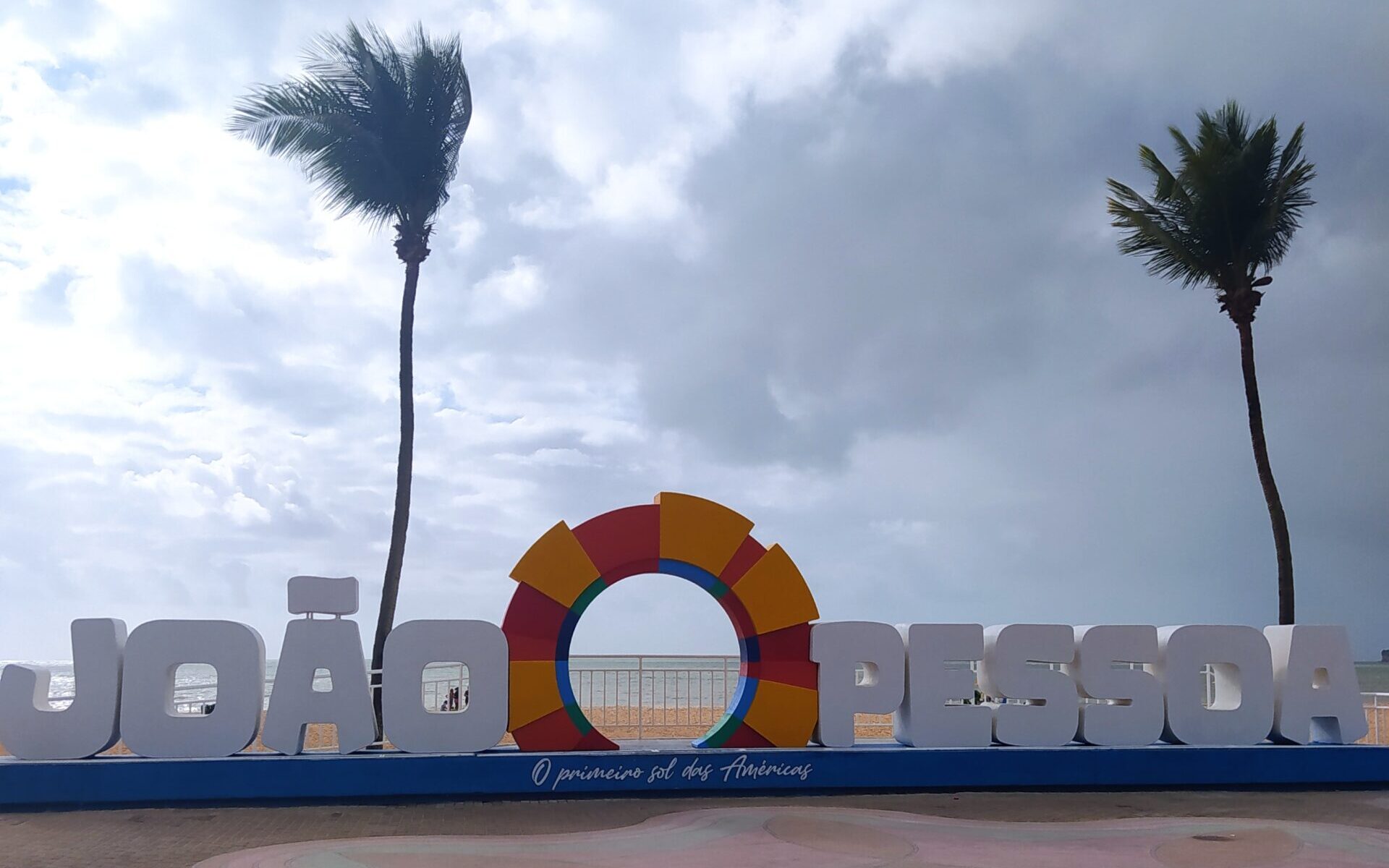
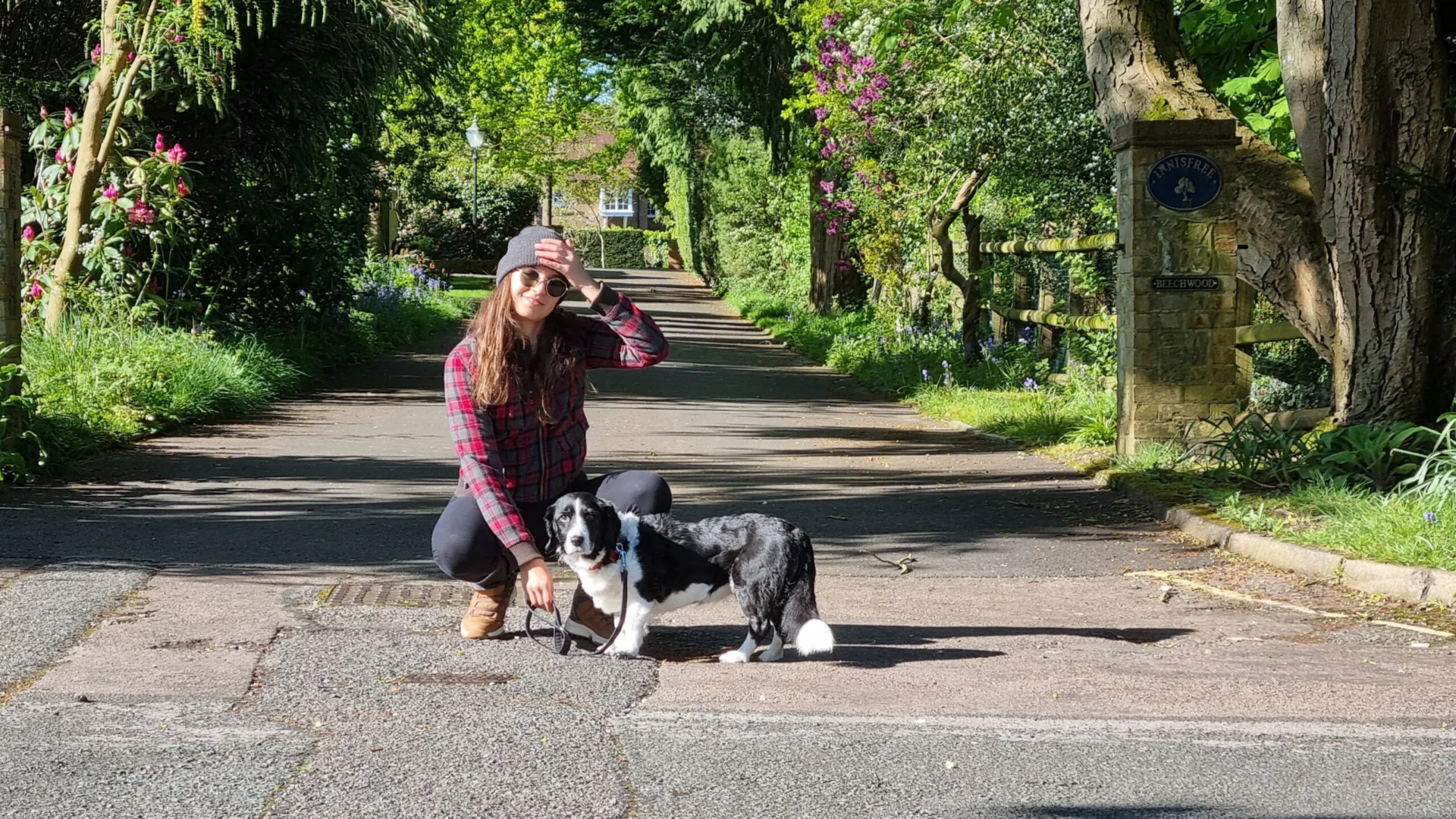

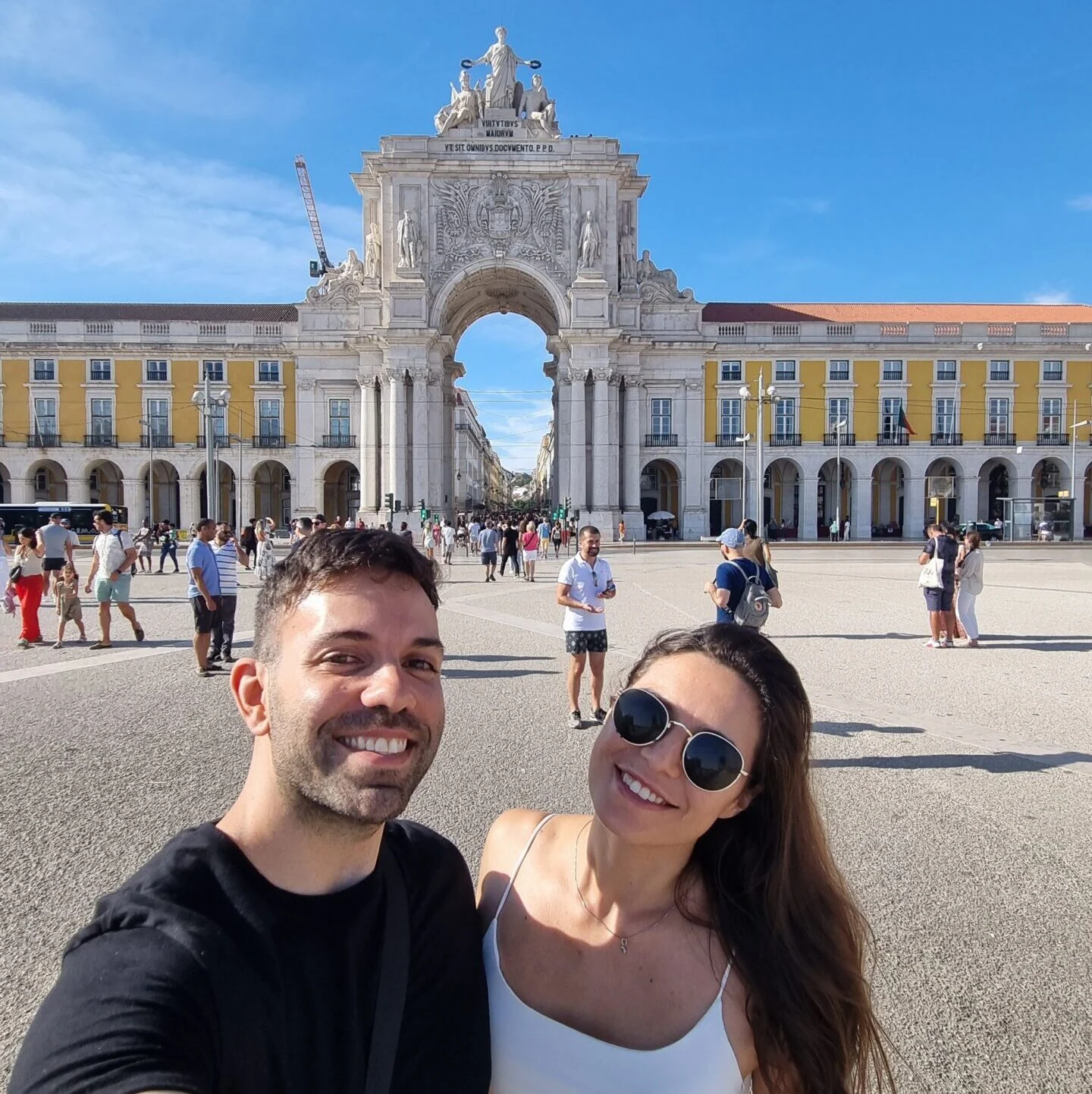
I spent around two months and one week in Portugal, divided between Porto, Lisbon and Ericeira. During that time, Mate and I were not travelling as typical tourists. We were working remotely, cooking, going to the supermarket, exercising, looking after dogs and fitting sightseeing around our normal routine.
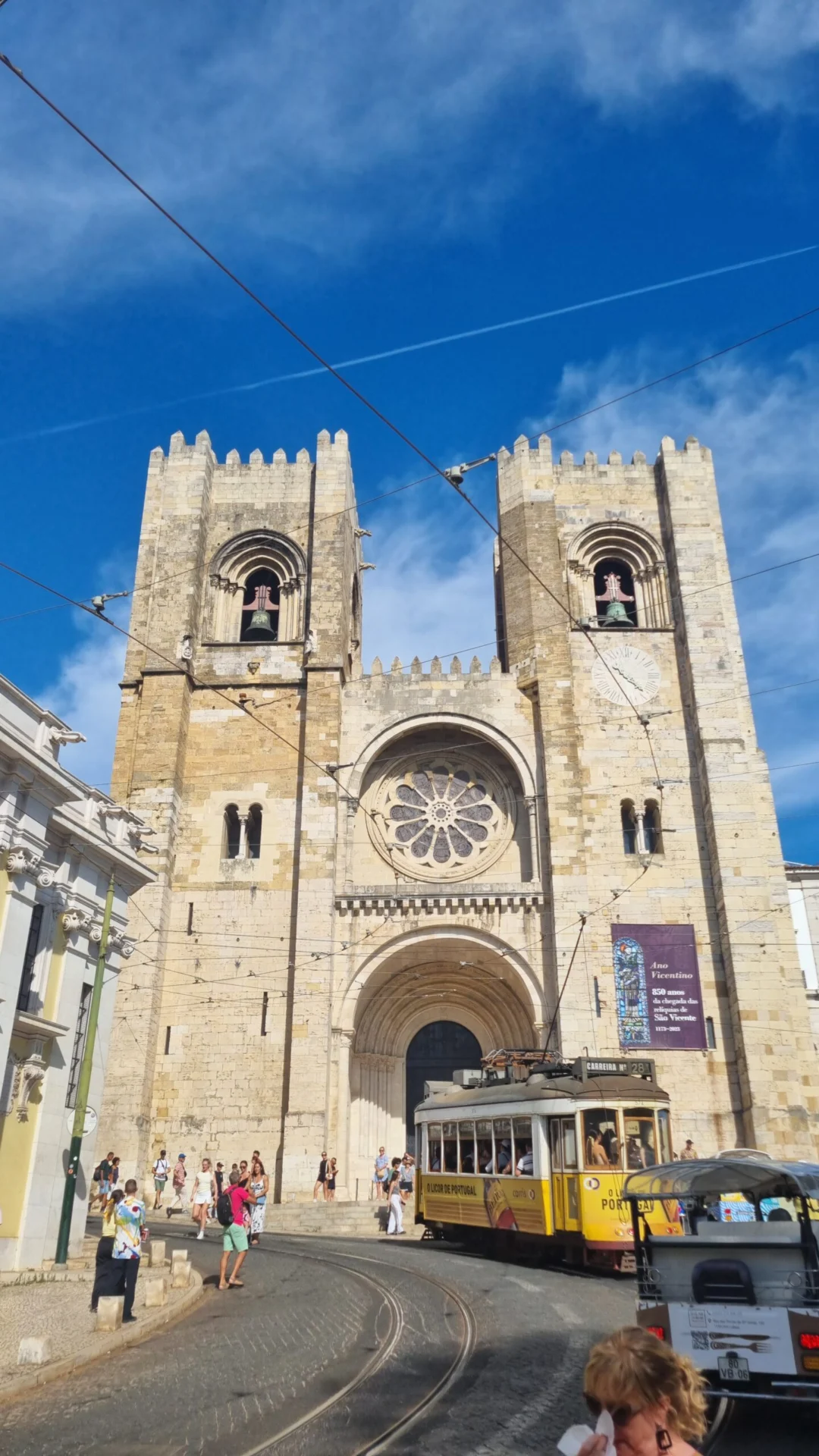
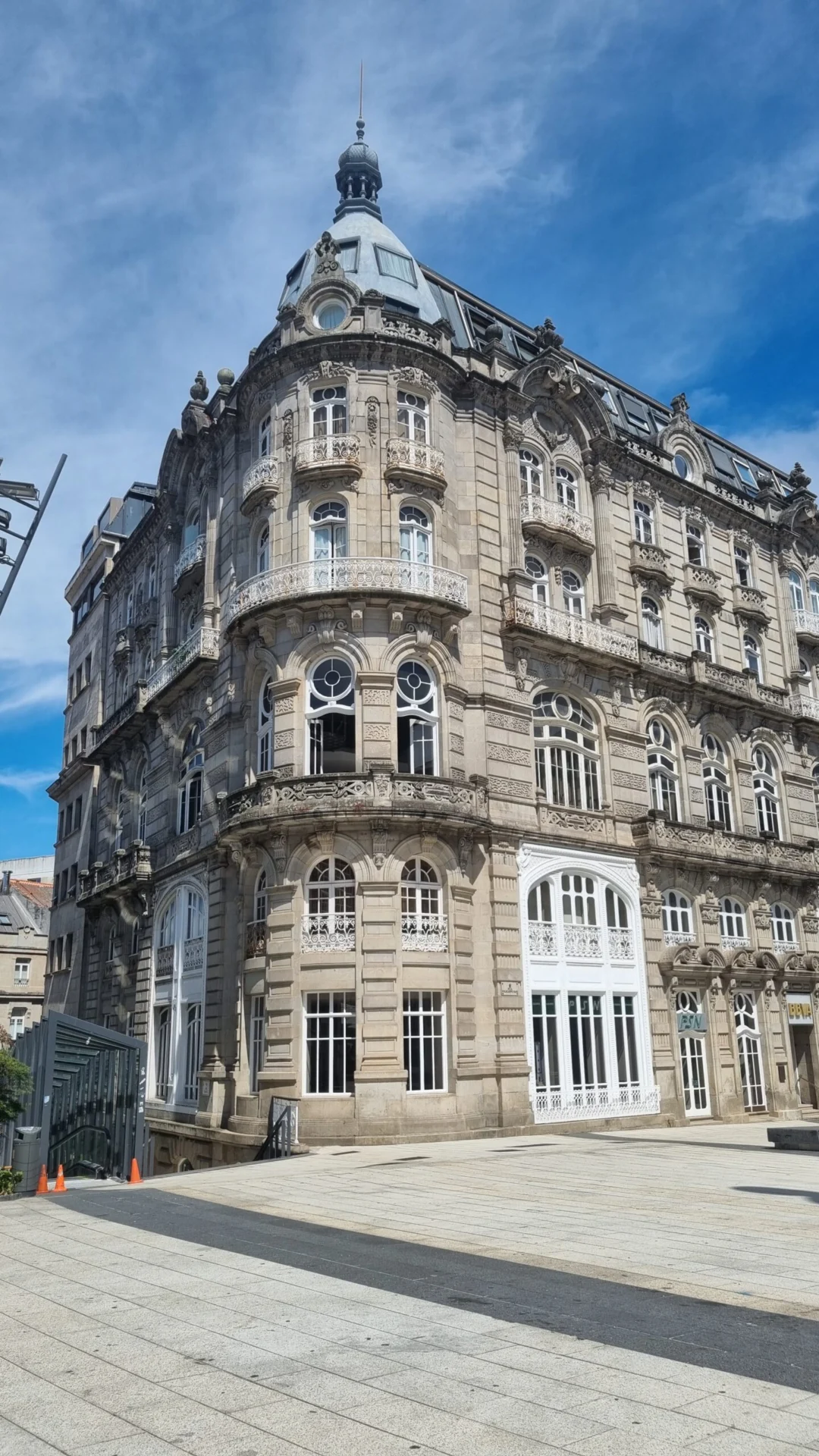
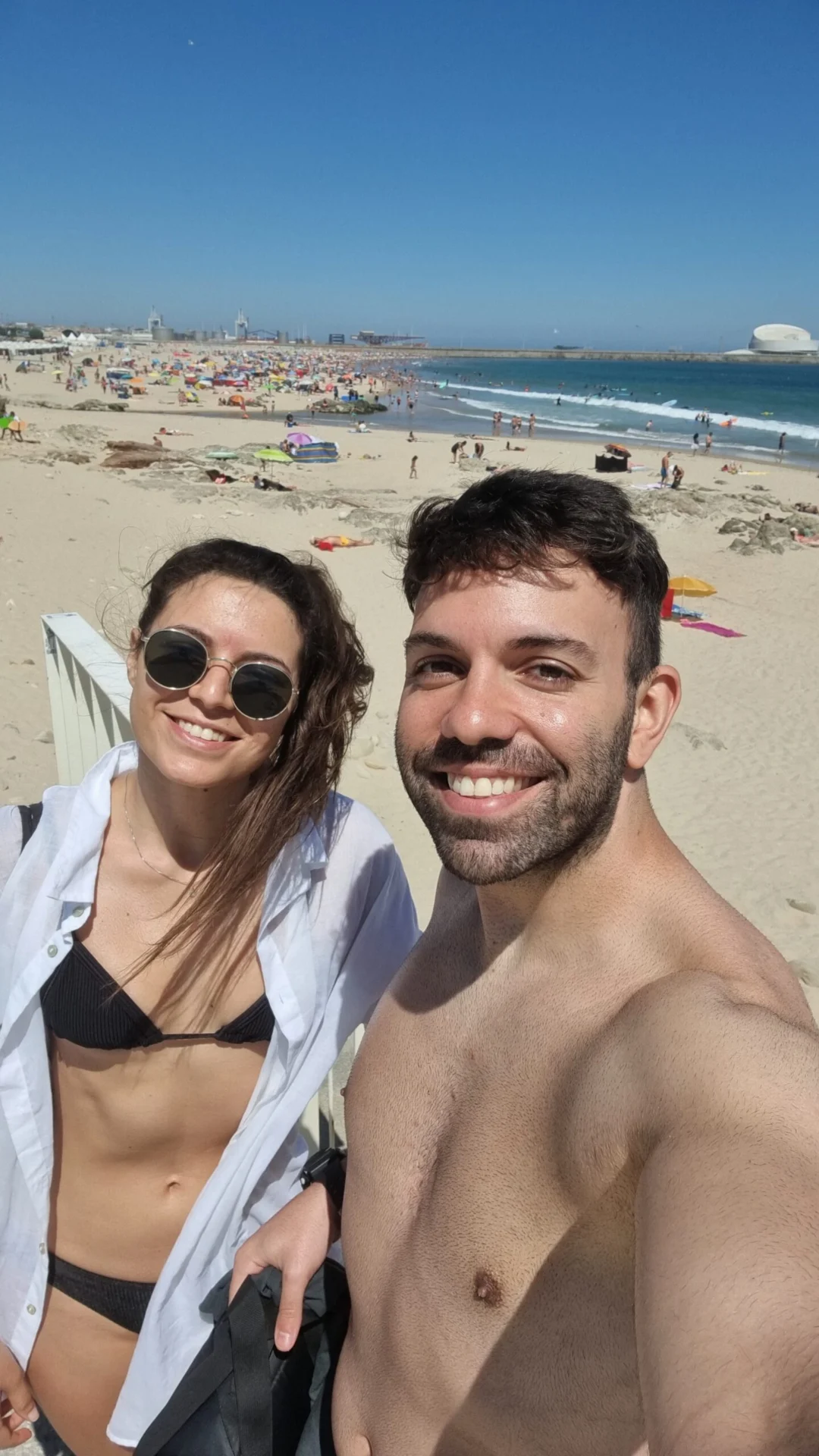
My experience living in Portugal as a digital nomad was mostly positive. Portugal felt safe, the food was good, the summer weather was much warmer and sunnier than in many other parts of Europe, and we had no problems working online. At the same time, some everyday tasks felt more complicated and less digitally convenient than I expected.
Portugal is a good temporary base for digital nomads and slow travellers, but it was not a place that made me immediately want to return. In this article, I will explain what worked, what frustrated me and how our experiences differed between Porto, Lisbon and Ericeira.
Living in Portugal as a Digital Nomad: My Experience in Three Different Places
I have been travelling and working remotely for around four years, usually staying between one and three months in each destination. This means I normally judge a place based on more than its tourist attractions.
I want to know whether I can work comfortably, find good supermarkets, prepare proper meals, exercise, move around without spending too much and maintain an ordinary routine. A place can be wonderful for a weekend and still be impractical for a month of remote work.
Our first longer experience in Portugal was in Porto. We initially spent three days in accommodation booked through Booking.com. We had a private room and shared common areas. After that, we moved into a house sit for one month, where we looked after a dog.
We later spent around one week in Lisbon, again using Booking.com. Because the stay was short, my impression of Lisbon is less complete than my experience in Porto and Ericeira.
Our next Portuguese base was Ericeira, where we completed another month-long house sit, this time caring for four dogs. These stays allowed us to experience three different versions of Portugal: a calmer northern city, a busier capital and a smaller coastal town.
I should also clarify that I do not have Portugal’s digital nomad visa. I travel for shorter periods and normally stay between one and three months in each destination. Brazilian citizens with ordinary passports are generally exempt from obtaining a visa for short stays in the Schengen Area, limited to 90 days in any 180-day period. Your individual immigration and work situation may be different, so always check the current official requirements before travelling.
Is Portugal Good for Digital Nomads?
Based on my experience, Portugal is a good country for digital nomads who want to establish a temporary routine.
I felt safe in all three places we visited. We found large supermarkets, restaurants, gyms and everything else we needed for everyday life. Even Ericeira, which is much smaller than Porto or Lisbon, has a compact centre with supermarkets, cafés, restaurants and basic services.
Both of our longer stays happened during the summer, and the weather was one of the main advantages. We had very few rainy days, especially in Ericeira, where almost every day was sunny and pleasant. For someone who wants a warmer European base, this can make Portugal more attractive than destinations further north.
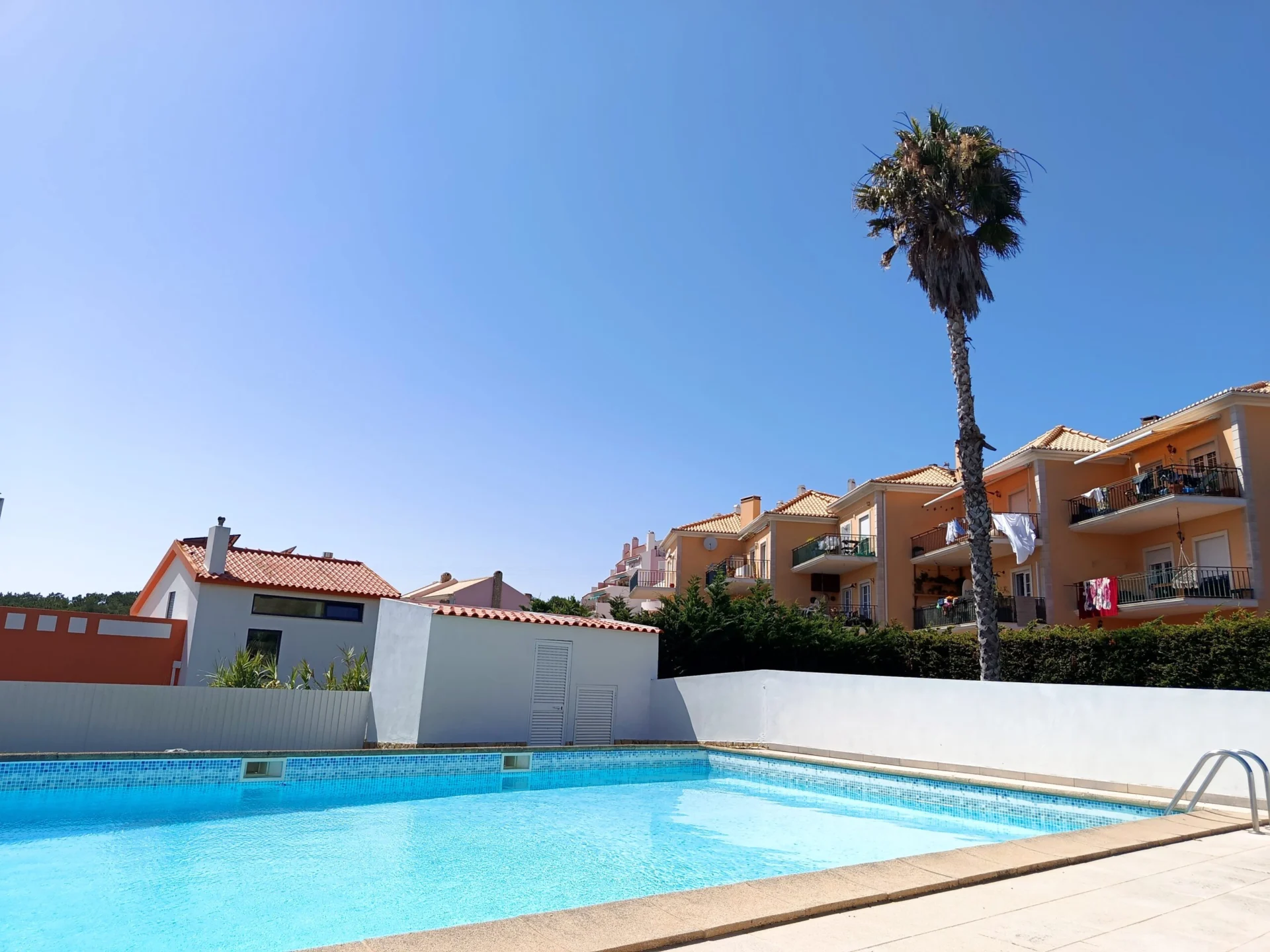
Portuguese food was another positive part of the experience. We could find good ingredients for cooking at home, and eating out did not feel excessively expensive compared with other European countries we had visited.
Portugal also felt more affordable than many other parts of Europe. However, this depends heavily on accommodation. Our experience would have been considerably more expensive if we had needed to pay for a monthly rental in Porto or Ericeira.
The country has the necessary structure for digital nomad life. Whether you will love living here is a more personal question.
Best Places in Portugal for Digital Nomads: Porto, Lisbon or Ericeira?
Porto, Lisbon and Ericeira can all work as digital nomad bases, but they offer very different routines.
Porto for a Slower City Routine
Porto felt calmer and more relaxed than Lisbon, but it still had everything we needed.
Our house sit was in a very convenient location. We could walk to the supermarket, gym, restaurants and other places we used regularly. Because of this, we spent very little on local transport during the month.
Porto does not feel empty or without nightlife. We went to bars and restaurants and visited places such as Mercado do Bolhão, Espaço 77 and Adega Leonor. There are plenty of things happening, but the general atmosphere still felt more peaceful than Lisbon.
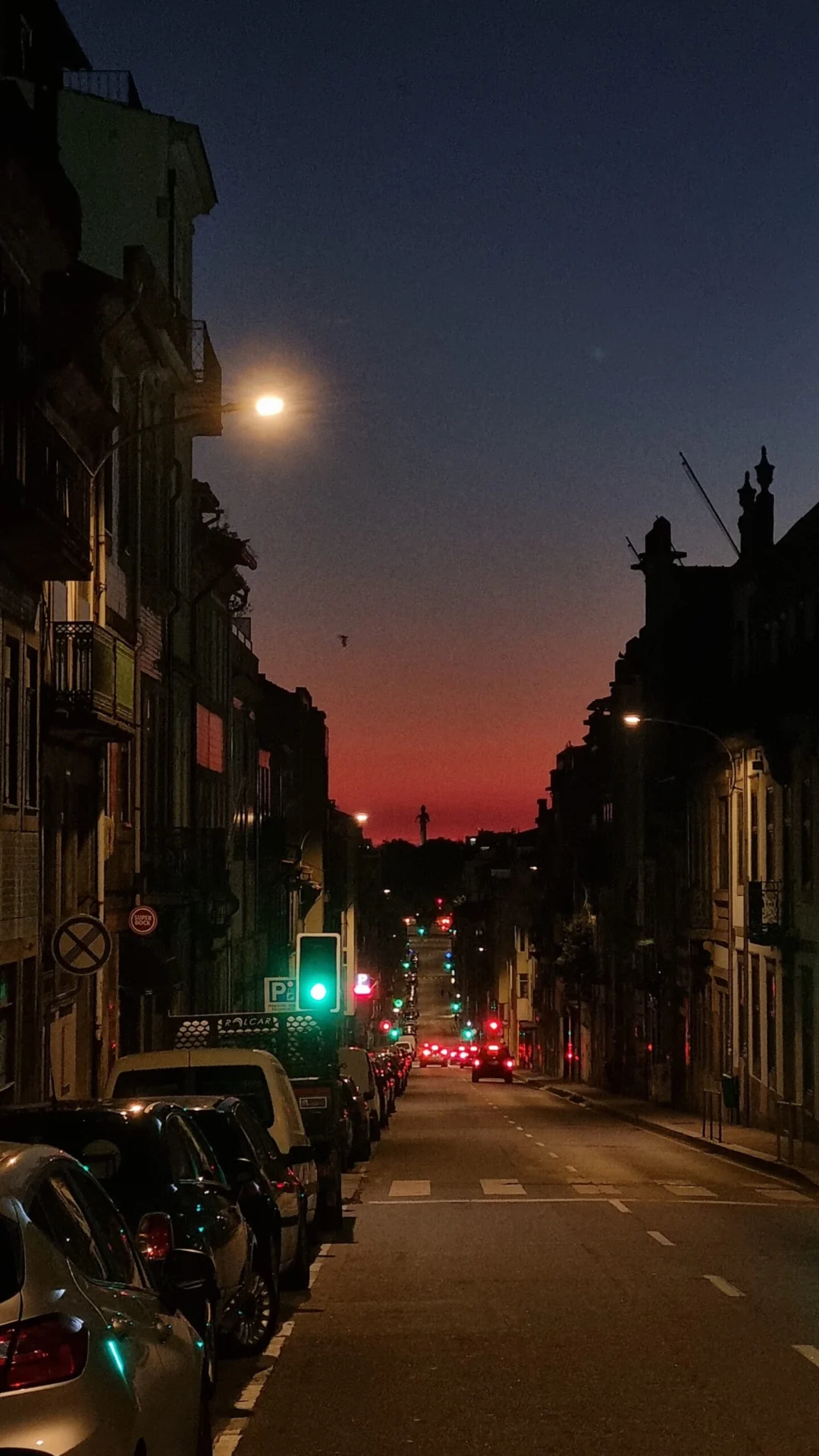
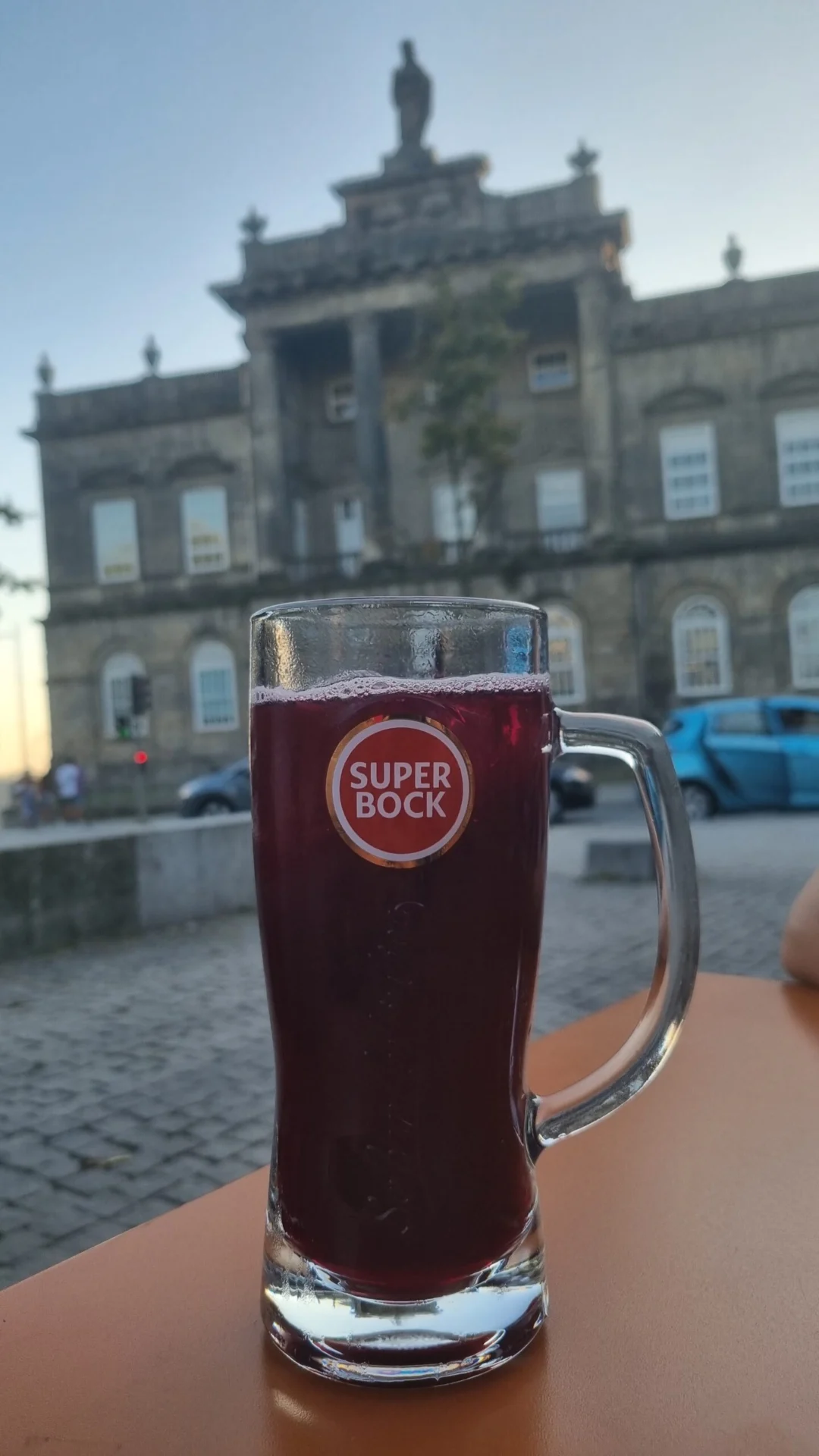
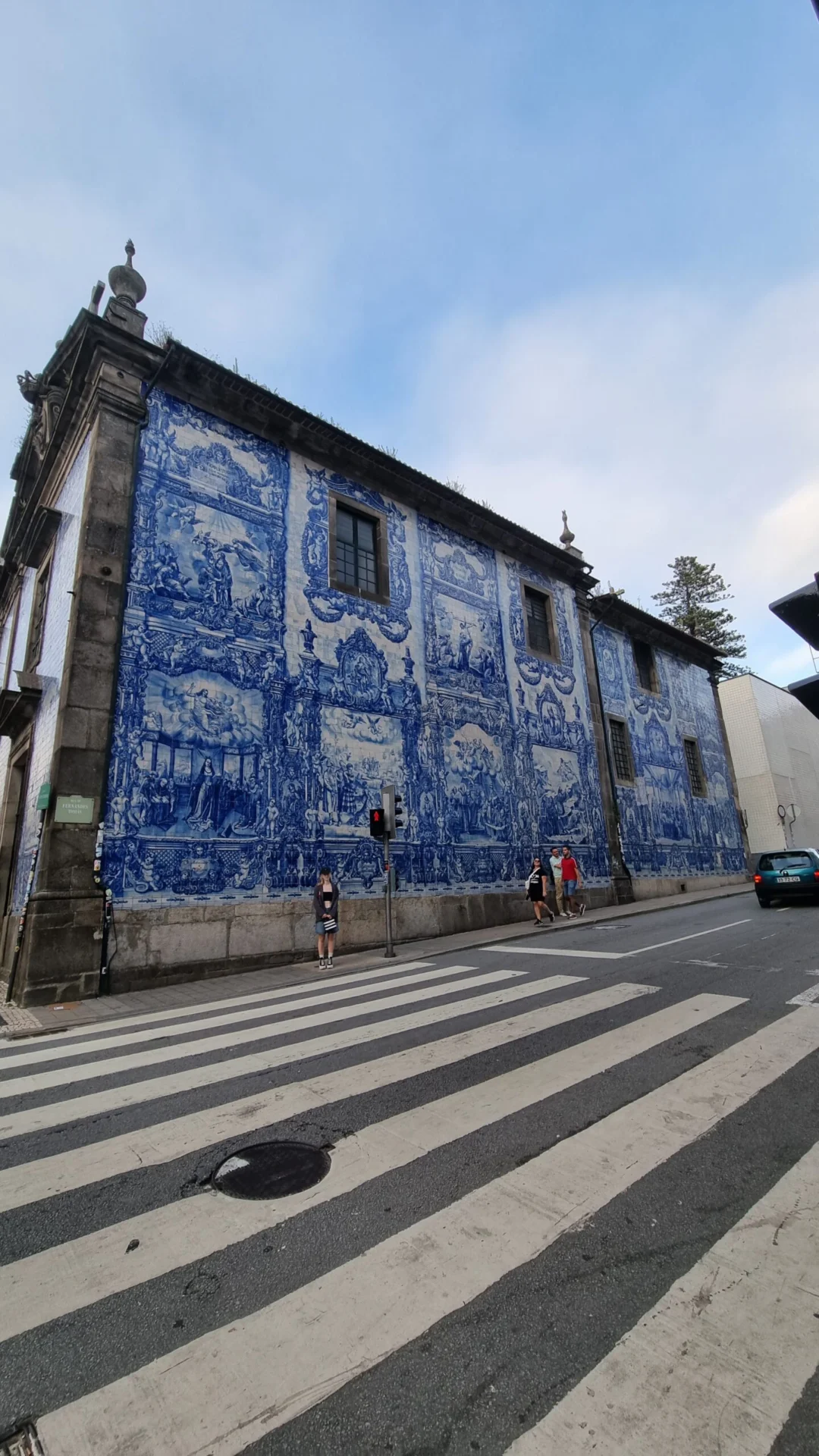
It could work well for someone who wants the structure of a city without feeling surrounded by constant movement. It was also where we experienced most of our payment-related frustrations, which I will explain later.
Lisbon for a More Lively City Experience
We only spent around one week in Lisbon, so I would not compare my experience there directly with our full months in Porto and Ericeira.
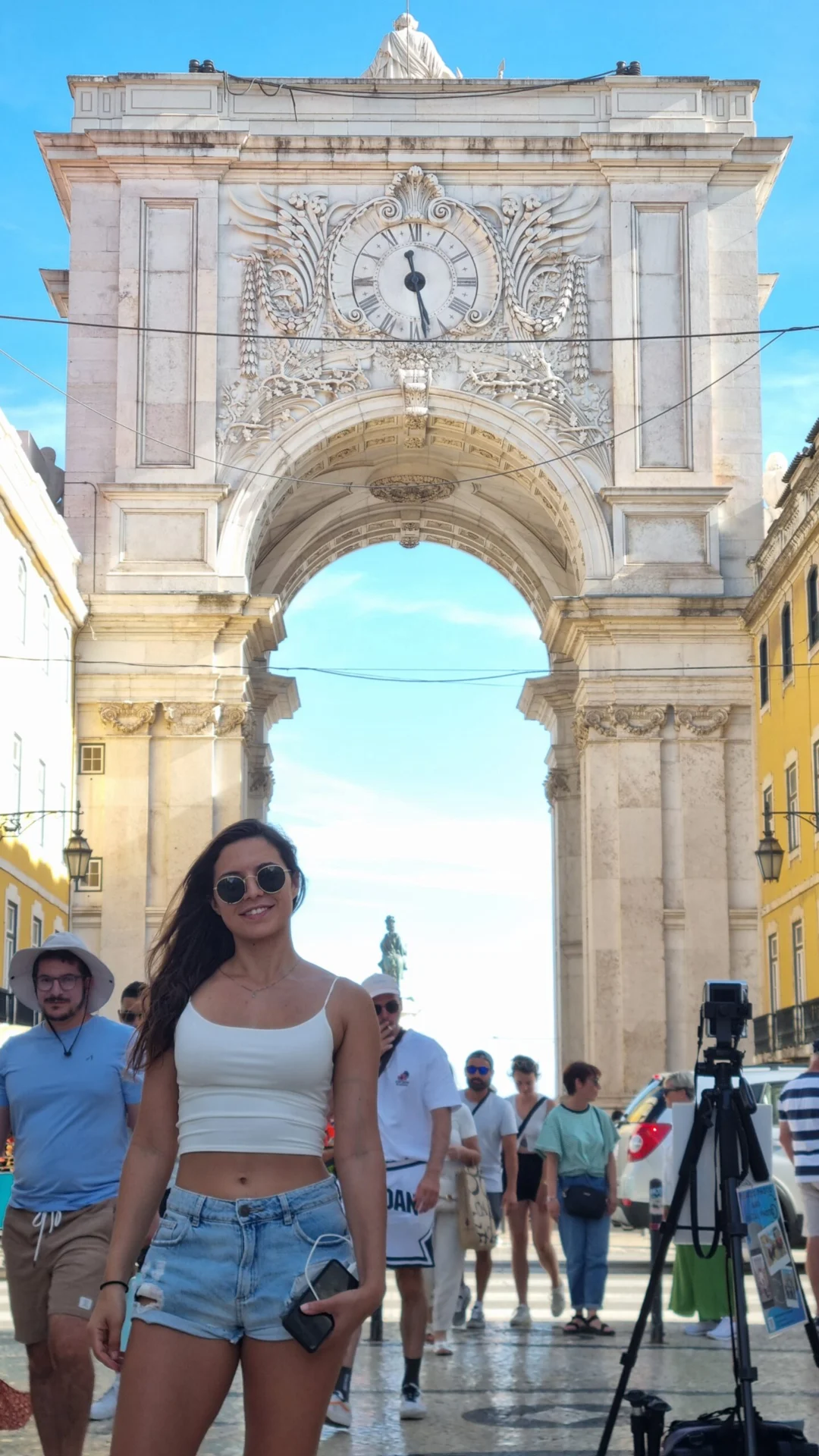

My first impression was that Lisbon felt busier, more energetic and slightly younger. Porto has restaurants, bars and nightlife too, but Lisbon appeared to have more movement throughout the city.
For someone who wants a more active social life, more events and the rhythm of a larger European capital, Lisbon may be the more suitable option.
However, it would also probably be the most expensive of the three places, particularly when accommodation is included. Because we stayed for such a short period, I cannot give an honest monthly budget or say what creating a long-term routine there would be like.
Ericeira for Beaches, Surfing and a Quieter Lifestyle
Ericeira is a better match for people who want beaches, surfing and a smaller-town routine.
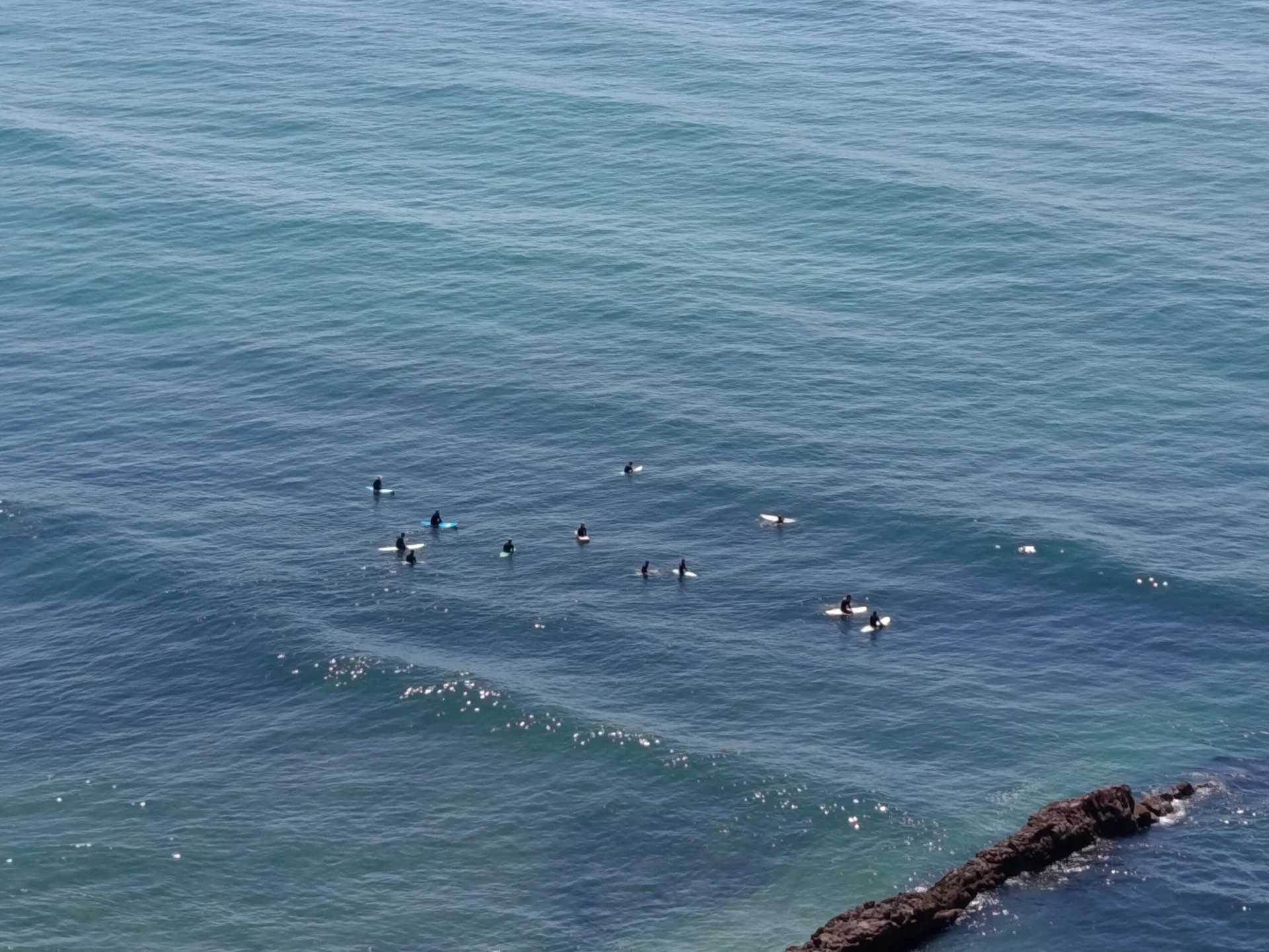
The town is closely connected to surfing culture, with several beaches and many international visitors. Even if you do not surf, it can still be a comfortable place to work remotely if you enjoy being near the sea and do not need the energy of a large city every day.
Our house sit was outside the main centre and closer to the beach. The hosts allowed us to use their car, which made a significant difference. We used it for supermarket trips, beaches and occasional meals out.
Without the car, our location would have been less convenient. The centre itself has most of the services you need, but your experience in Ericeira will depend heavily on where you stay.
I also felt that Ericeira was slightly more accustomed to international visitors than some of the places we used in Porto. This may be connected to the number of foreigners who visit or live temporarily in the area.
Working Remotely in Portugal: Internet, Space and Daily Routine
We did not experience any significant internet problems in Portugal. We could work normally, complete our online tasks and maintain our routine without worrying about the connection.
However, most of our time was spent in actual homes through house sitting. These houses had more space and structure than many short-term tourist accommodations.
This is particularly important because Mate and I both work remotely. When two people need to work from the same accommodation, a small room that looks acceptable for a holiday can quickly become uncomfortable.
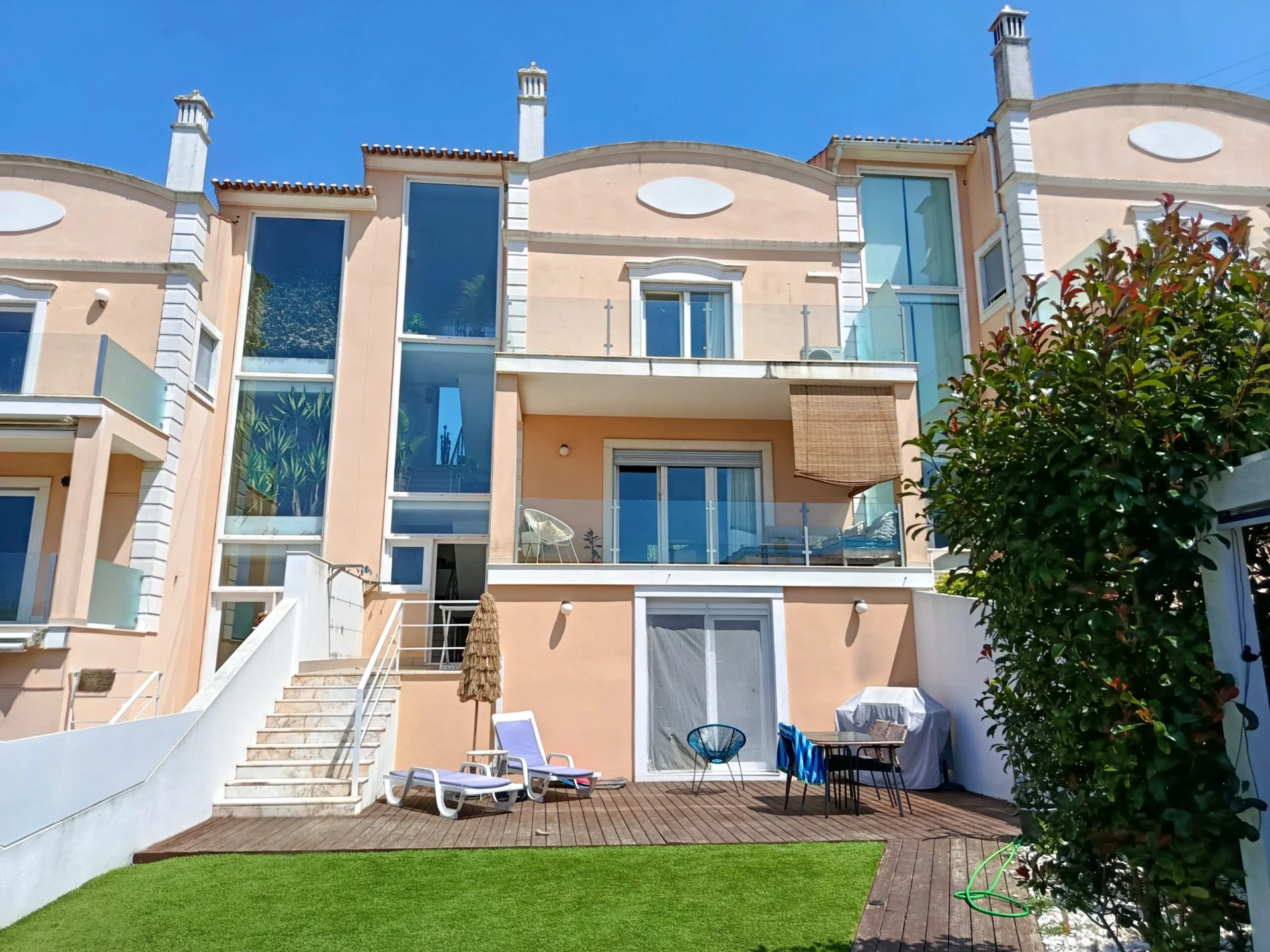
House sitting gave us access to kitchens, living areas and enough space to separate work from rest. It also made ordinary life easier because we were not trying to fit a month of living into a compact hotel room.
Our days were not filled with attractions. We worked, went to the supermarket, cooked, exercised, looked after the dogs and stayed at home on many days. We visited places when our schedule allowed, but we were not leaving the house every morning to explore.
This is one of the main differences between visiting Portugal and temporarily living there as a digital nomad.
Cost of Living in Portugal for Digital Nomads: Our Everyday Expenses
I cannot provide a complete monthly budget for Portugal because we did not pay for accommodation during most of our time there. Rent would probably be the largest expense, so excluding it changes the final number considerably.
Still, our daily expenses can offer a useful reference for a couple who cooks regularly and does not go out every day.
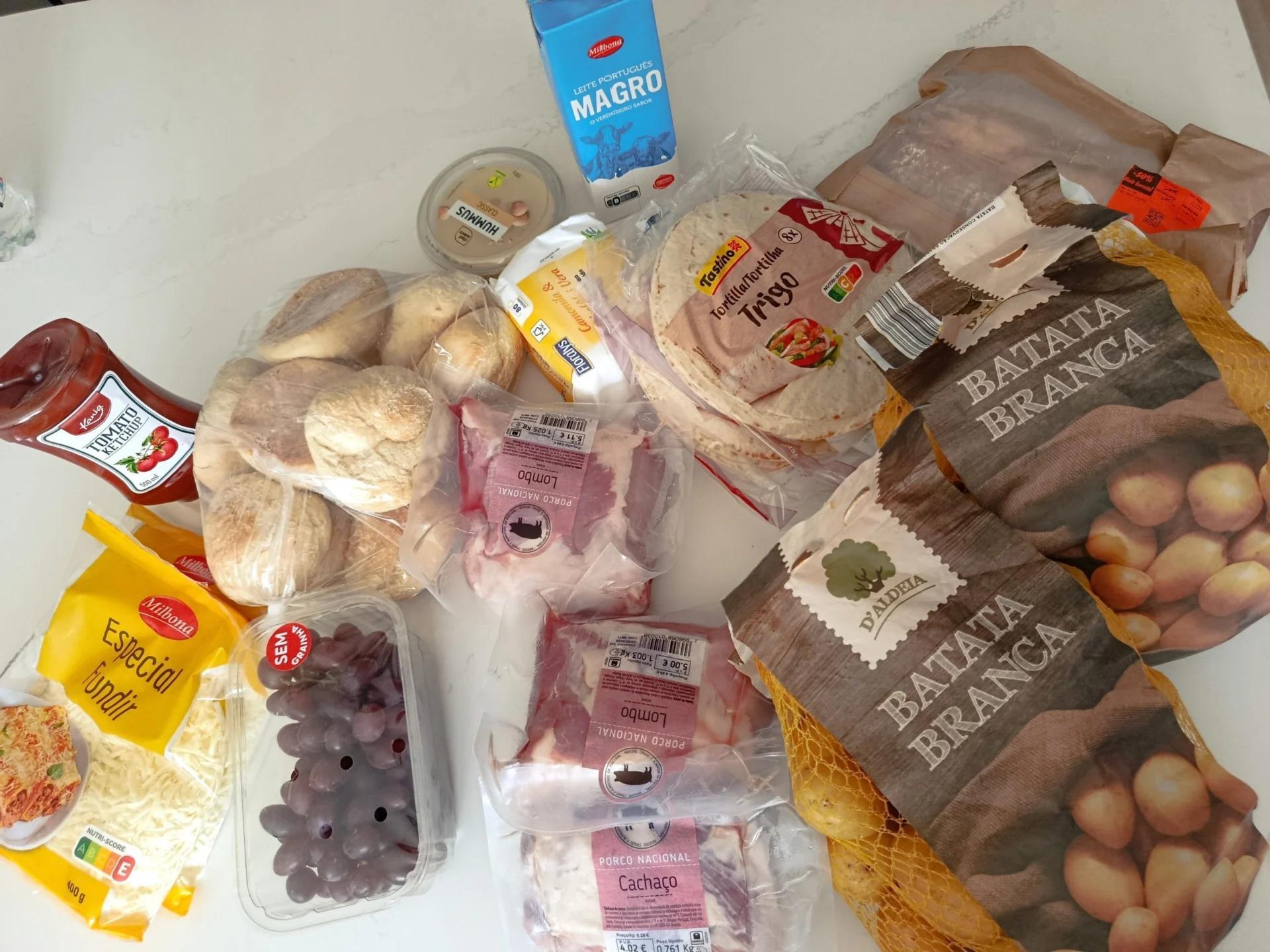
We normally spent less than €50 per week on groceries for two people. We like to prepare proper meals and buy real food rather than relying only on snacks or ready-made products. Our final amount varied from week to week, but we never managed to spend more than approximately €50 on a normal weekly shop.
During our month in Ericeira, we spent less than €30 on petrol. This was possible because we worked from home, did not drive every day and mainly used the car for the supermarket, beaches or an occasional meal.
Restaurant prices felt reasonable and similar to what we had seen in other European countries. Portugal was not incredibly cheap, but eating out did not feel unusually expensive either.
We also used Too Good To Go several times. We found surprise bags for around €2.99 to €3.99, including pastries and two full trays of Japanese food. The price and quantity depended on the establishment, but it was an easy way to get inexpensive food and avoid waste.
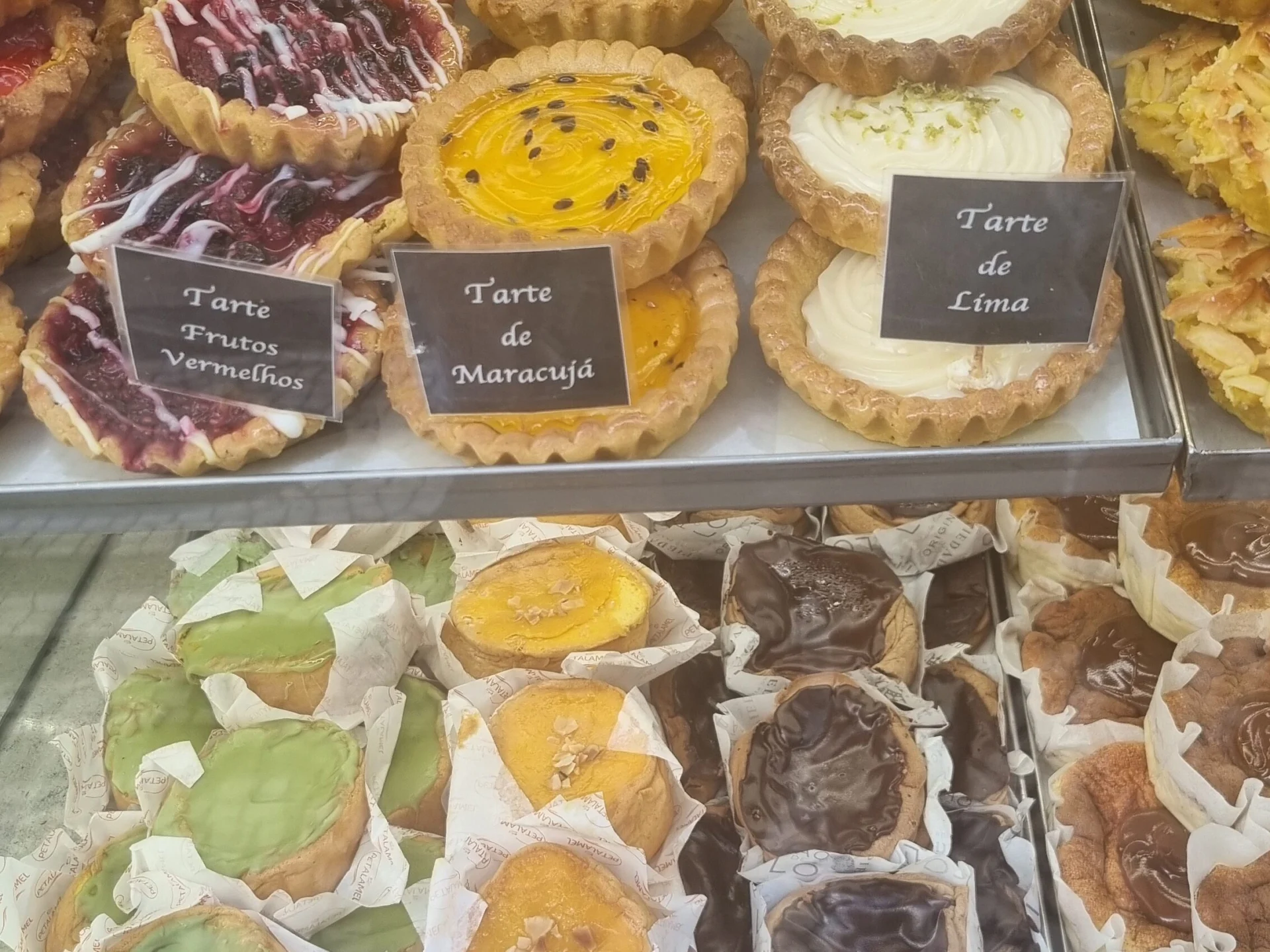
Too Good To Go is also included in my guide to the best apps for digital nomads.
These amounts reflect our routine, not a universal Portuguese budget. Someone eating out daily, renting a modern apartment in Lisbon or travelling constantly would spend much more.
Finding Accommodation in Portugal: Why House Sitting Worked Better for Us
Accommodation was the part of Portugal that made house sitting especially valuable.
When I searched for paid monthly stays, many of the options seemed either expensive or dated. Some properties looked old, strangely furnished or unsuitable for two people working remotely.
That does not mean affordable and comfortable accommodation does not exist. Another traveller may find something appropriate for their budget and preferences. My personal impression was simply that I would rather use house sitting than pay a high price for a place I did not particularly like.
For a short stay, private rooms and compact accommodation can make sense. Our first three nights in Porto were spent in a private room with shared common areas, and that worked because it was temporary.
For a full month, we needed more space, a proper kitchen and a comfortable environment for working.
House sitting solved both the accommodation cost and the space problem. In exchange, we had the responsibility of caring for one dog in Porto and four dogs in Ericeira. It was not free accommodation without obligations, but it matched the way we already travel.
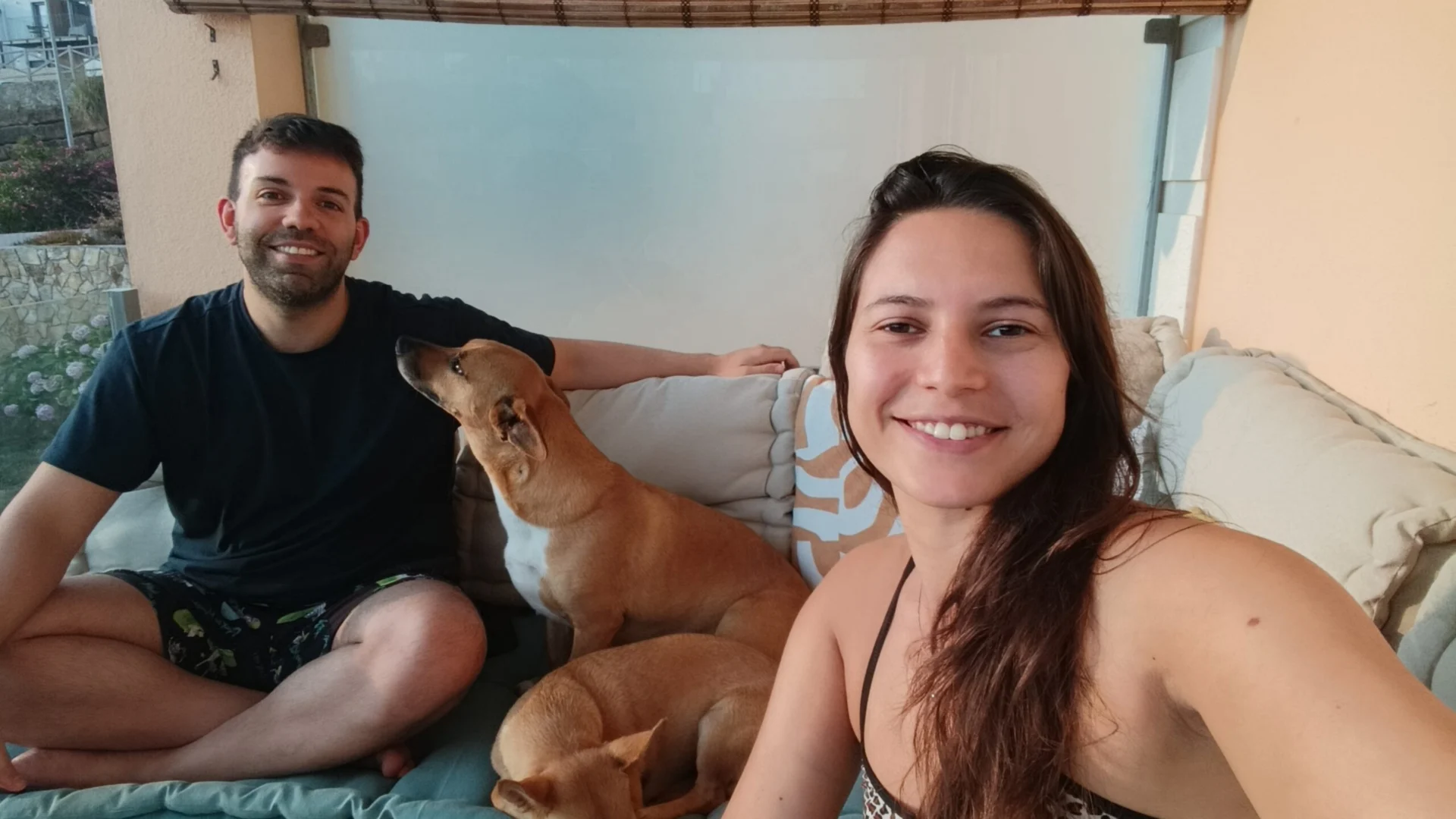
The location of the Porto house also allowed us to walk almost everywhere. In Ericeira, using the hosts’ car significantly reduced our transport expenses.
Portugal also seems to have a good number of house-sitting opportunities. Travellers who are flexible with dates and comfortable caring for pets may find it a practical way to stay longer.
I explain the entire process, advantages and limitations in my TrustedHousesitters review.
Food, Supermarkets and Everyday Life in Portugal
Supermarkets are one of the first things I consider when choosing a temporary base. If I am staying for a month, I want access to good ingredients and affordable options for cooking at home.
Portugal worked well in this area.
We regularly found Lidl, Pingo Doce, Aldi and Continente. In Ericeira, we also used Intermarché, which was a large supermarket with a wider shopping-centre feel.
Based only on our experience, Lidl usually offered the most affordable options. Pingo Doce seemed slightly more expensive, while Continente was useful when we wanted a larger range of products.
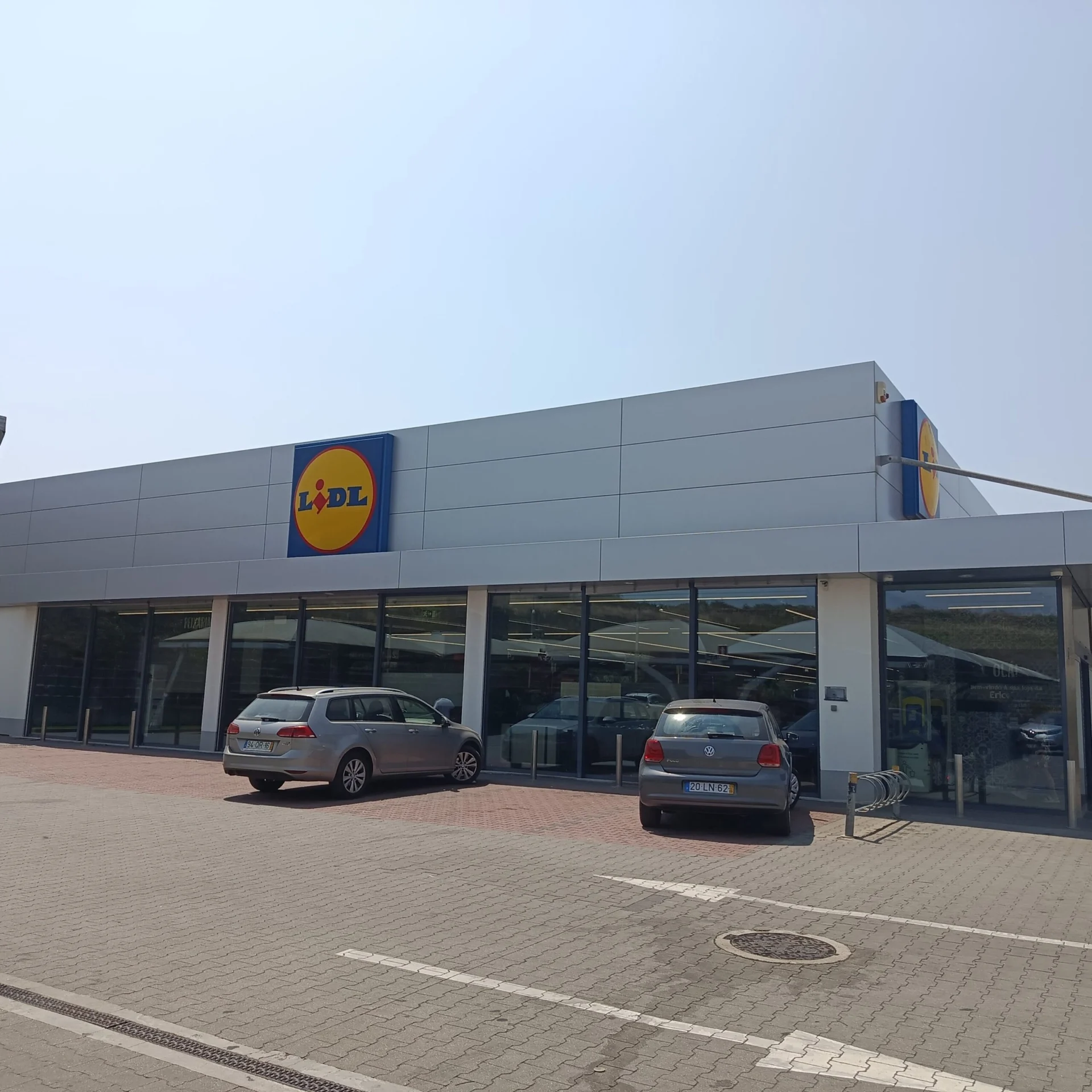
Interestingly, Lidl felt cheaper than Aldi in Portugal, which was the opposite of our impression in England.
Every supermarket we visited accepted our international cards. Our payment problems happened mainly in independent establishments and restaurants, not in large supermarket chains.
Being able to shop easily and cook at home helped keep our weekly costs controlled. It also made Portugal suitable for the type of slow travel we prefer, where food shopping, cooking and ordinary routines matter as much as sightseeing.
Getting Around Porto, Lisbon and Ericeira
How easy it is to live in Portugal without a car depends on the city and the exact location of your accommodation.
Porto was easy for us because the house was central. We walked to the gym, supermarket, restaurants and most places connected to our normal routine. When we wanted to explore further away, we occasionally rented a car with friends.
In Ericeira, our experience would have been different without the hosts’ car. The house was closer to the beach but further from the centre, so driving made supermarket trips and other activities much easier.
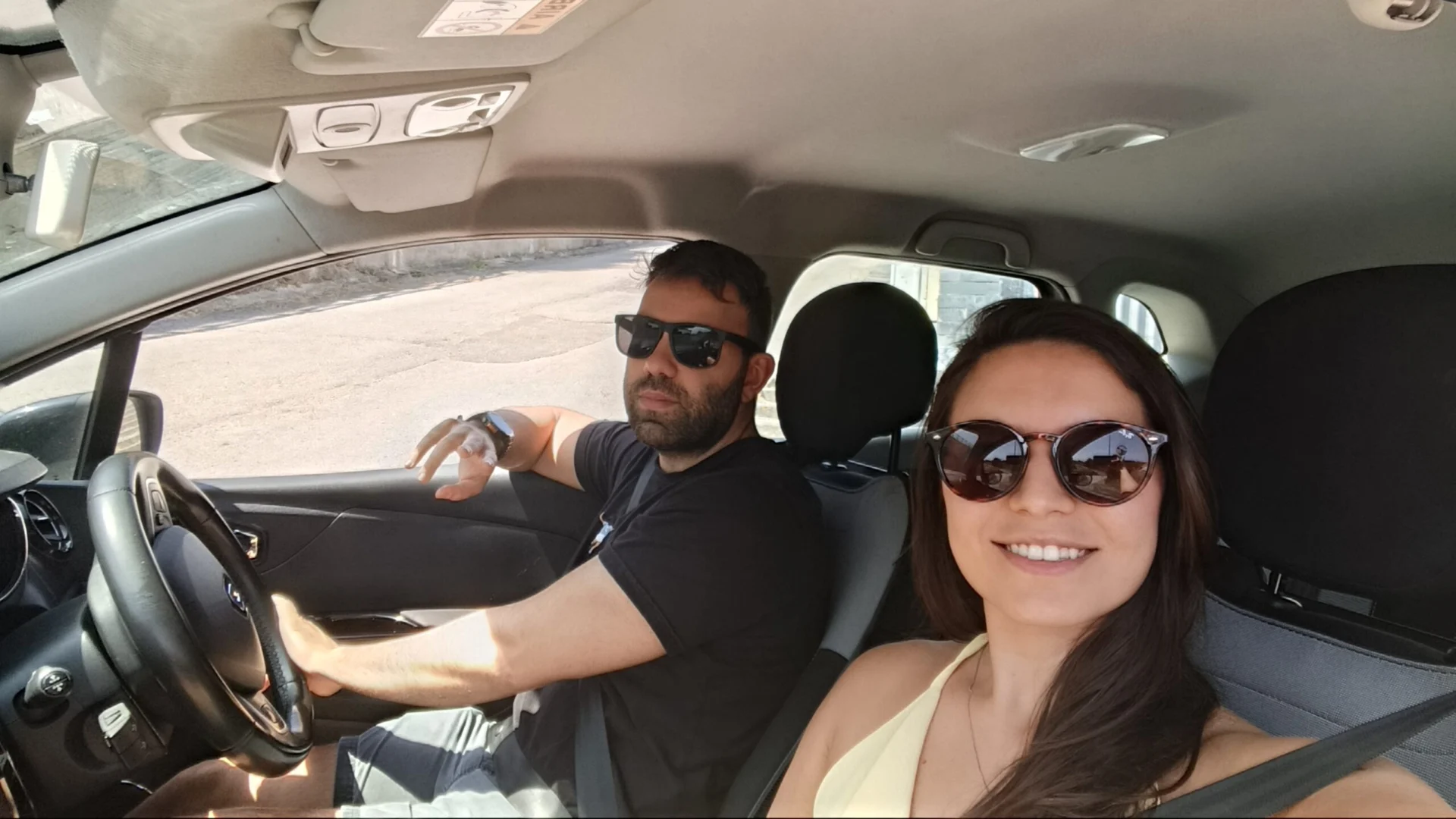
The amount we spent on petrol remained low because we did not commute or drive every day. A traveller who stays outside the centre and wants to explore several beaches may use the car much more than we did.
Our first transport experience in Porto was also one of the most frustrating moments of the trip.
After arriving at the airport, we tried to board a bus using our international Mastercard. We had been able to pay for airport transport by card in several other countries, so we did not think to withdraw cash first.
The driver told us that we needed cash and was very rude about the situation. We had to leave the bus, return to the airport and find an ATM. The machine only gave us a large banknote, which also annoyed the next driver.
It was a bad first impression, particularly because we expected arriving in a Portuguese-speaking country to feel relatively simple. Later, we met many friendly people, so I would never use this experience to describe everyone in Portugal. Still, it taught us to carry some cash.
Payment Problems and Other Downsides of Living in Portugal
Payments were my main frustration in Portugal.
We travel with international cards connected to global accounts, and they normally work without problems. In Portugal, however, we encountered establishments that only accepted cash or specific Portuguese payment options.
The most memorable example happened at a large Japanese all-you-can-eat restaurant. At the end of the meal, we discovered that the restaurant did not accept our Mastercard or Visa cards.
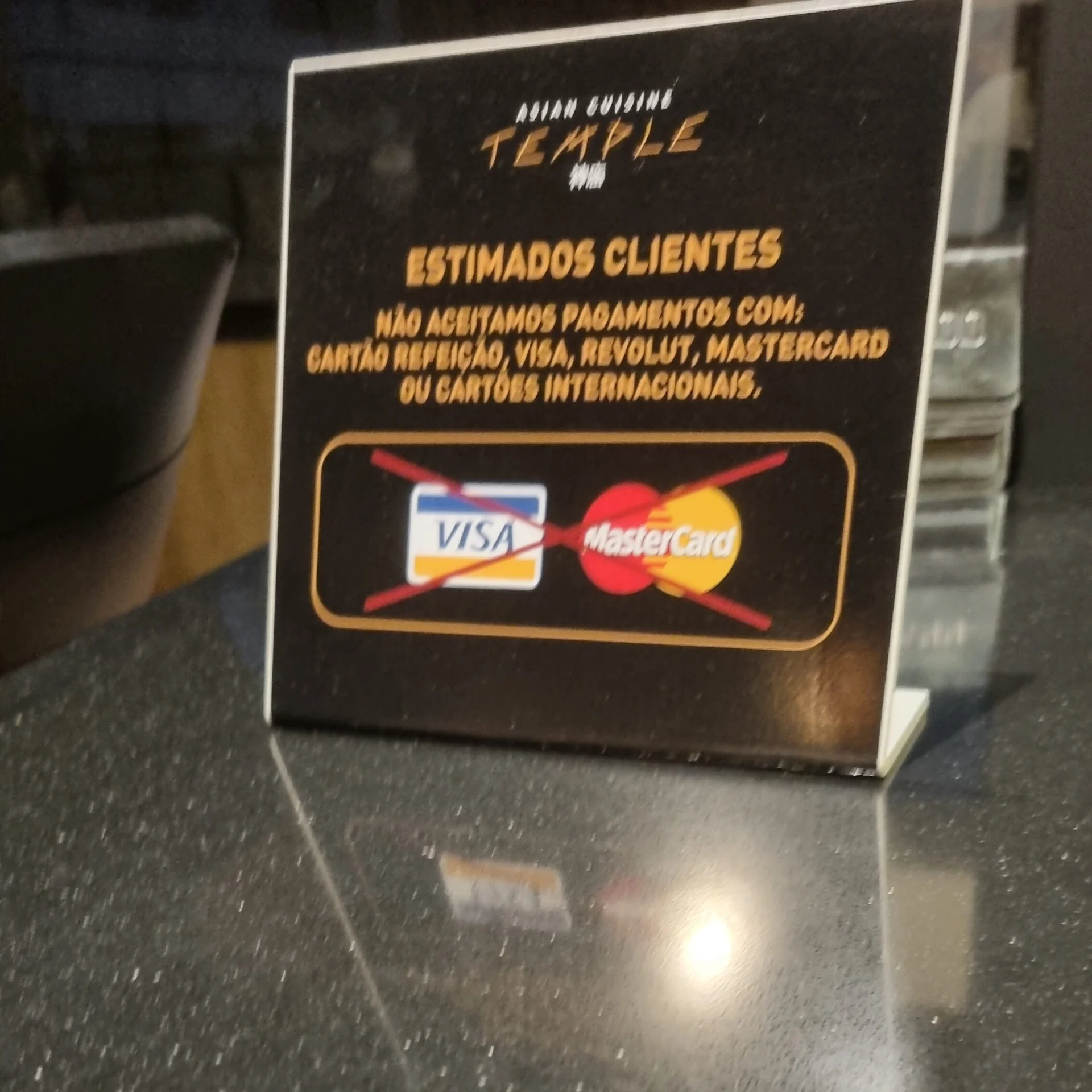
We tried to make a bank transfer, but that was not accepted either. Eventually, we had to leave, find an ATM, withdraw cash and return to pay.
After that experience, we became much more careful about checking payment methods before ordering.
Portugal uses several distinct payment brands, including Multibanco, Visa and Mastercard. A shop accepting one payment brand does not necessarily mean it accepts every international card.
This did not happen everywhere. Supermarkets always accepted our cards, and Ericeira seemed more accustomed to foreign visitors. The issue was more noticeable in Porto and in smaller or independent establishments.
For someone accustomed to highly digital services, these moments can make Portugal feel less convenient than other European countries. I do not enjoy having to solve unnecessary problems to complete a simple task, especially something as basic as paying for a meal or boarding a bus.
Accommodation was another limitation. Without house sitting, I am not sure I would have found Portugal as attractive for a one-month stay. The paid options I saw often felt too expensive for the space and quality offered.
These problems did not make Portugal an unsuitable destination. They simply affected how much I personally connected with living there.
Who Is Portugal Best For as a Digital Nomad?
Portugal may be a particularly good base for digital nomads who:
- Want to test slow travel in Europe
- Prefer a warmer climate
- Value safety and a quieter daily routine
- Like cooking and having access to large supermarkets
- Want a combination of cities and beaches
- Are interested in house sitting
- Plan to stay for a few weeks or months
- Do not need to explore attractions every day
- Want relatively easy access to Spain and other European destinations
Porto may suit someone looking for a calmer city. Lisbon may be better for those who want a busier atmosphere and more social movement. Ericeira is the most obvious choice for travellers who prioritise beaches, surfing and a smaller coastal community.
Speaking Portuguese made my experience easier, but travellers who only speak English may still be able to establish a comfortable routine, particularly in Lisbon, Porto and internationally popular places such as Ericeira. They should simply expect occasional language or communication difficulties.
Portugal may be less appealing to someone who wants extremely modern accommodation at a low monthly price, expects every payment to be completely digital or needs the constant novelty of a larger international city.
Living in Portugal as a Digital Nomad: My Honest Verdict
My experience living in Portugal as a digital nomad showed me that the country can be a safe, comfortable and practical temporary base, especially when using house sitting to reduce accommodation costs. I would probably choose new destinations before returning because Portugal did not make my eyes light up, but that is a personal connection rather than a problem with the country itself. For someone who enjoys Portuguese culture, warmer weather and a slower routine, it could be an excellent place to spend a few months. Accommodation will probably be one of your biggest decisions, so read my TrustedHousesitters review to see how we stayed in Porto and Ericeira without paying for a rental.