

Brazil is much bigger than many travellers realise when they begin planning their trip. Destinations such as Rio de Janeiro, Salvador, the Amazon, Iguaçu Falls and Florianópolis may all be on your list, but they are spread across completely different parts of the country.
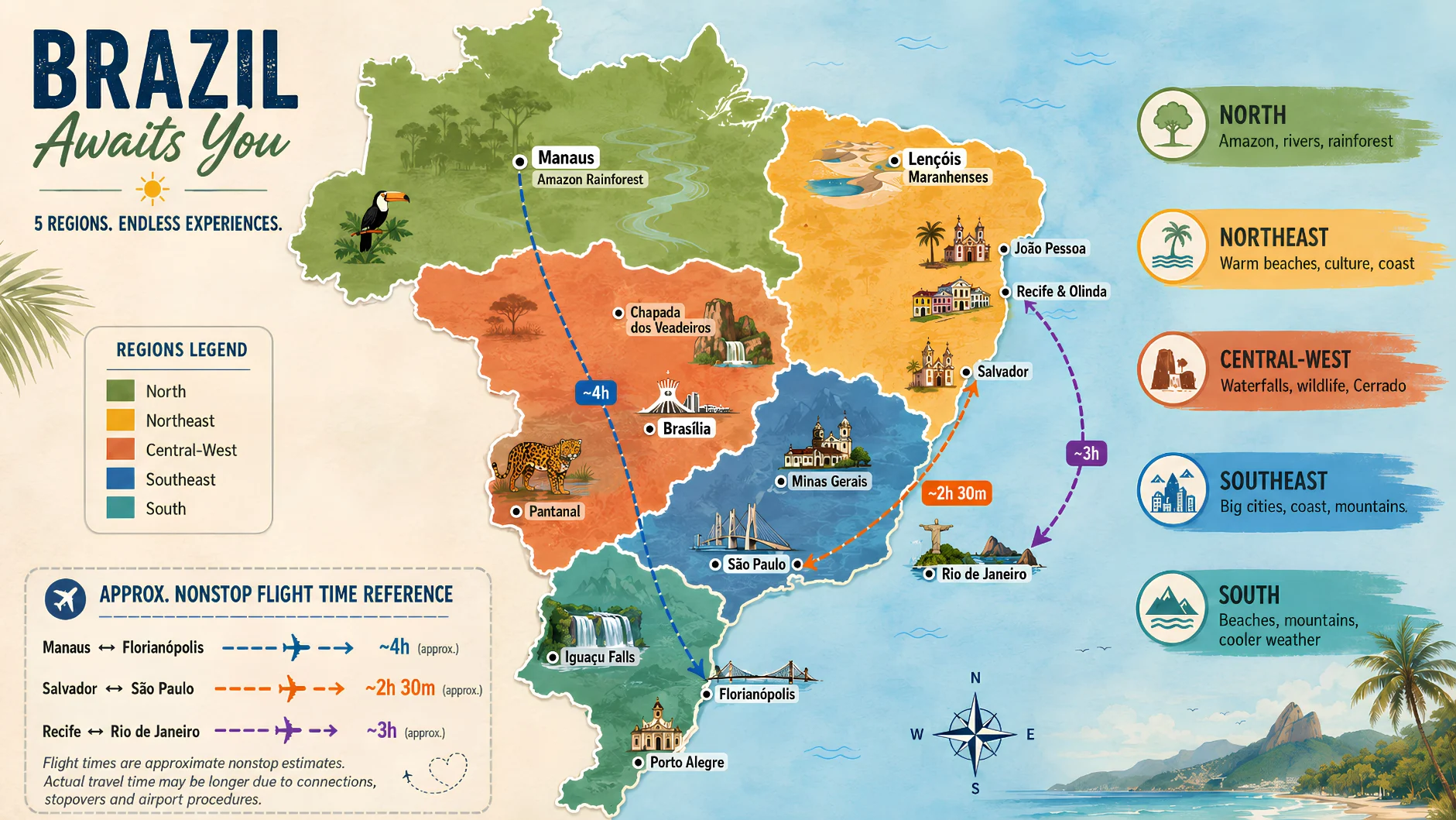
A common problem when building a Brazil itinerary is choosing the most famous places first and only checking the distances afterwards. In Europe, travelling for two hours can take you into another country. In Brazil, you can travel for longer than that and still be in the same state.
My first question would always be: how much time do you have? For most short trips, I would choose one region and explore destinations that connect naturally. Every region offers enough variety to create a complete trip without crossing the entire country.
Brazil Itinerary: What I Learned Travelling Across Different Regions
I am Brazilian and originally from São Paulo. I have lived in or travelled through São Paulo, Rio de Janeiro, Espírito Santo, Santa Catarina, Rio Grande do Sul, Paraná, Goiás, Alagoas, Paraíba, Pernambuco, Rio Grande do Norte, Bahia, Ceará, Maranhão and Piauí.
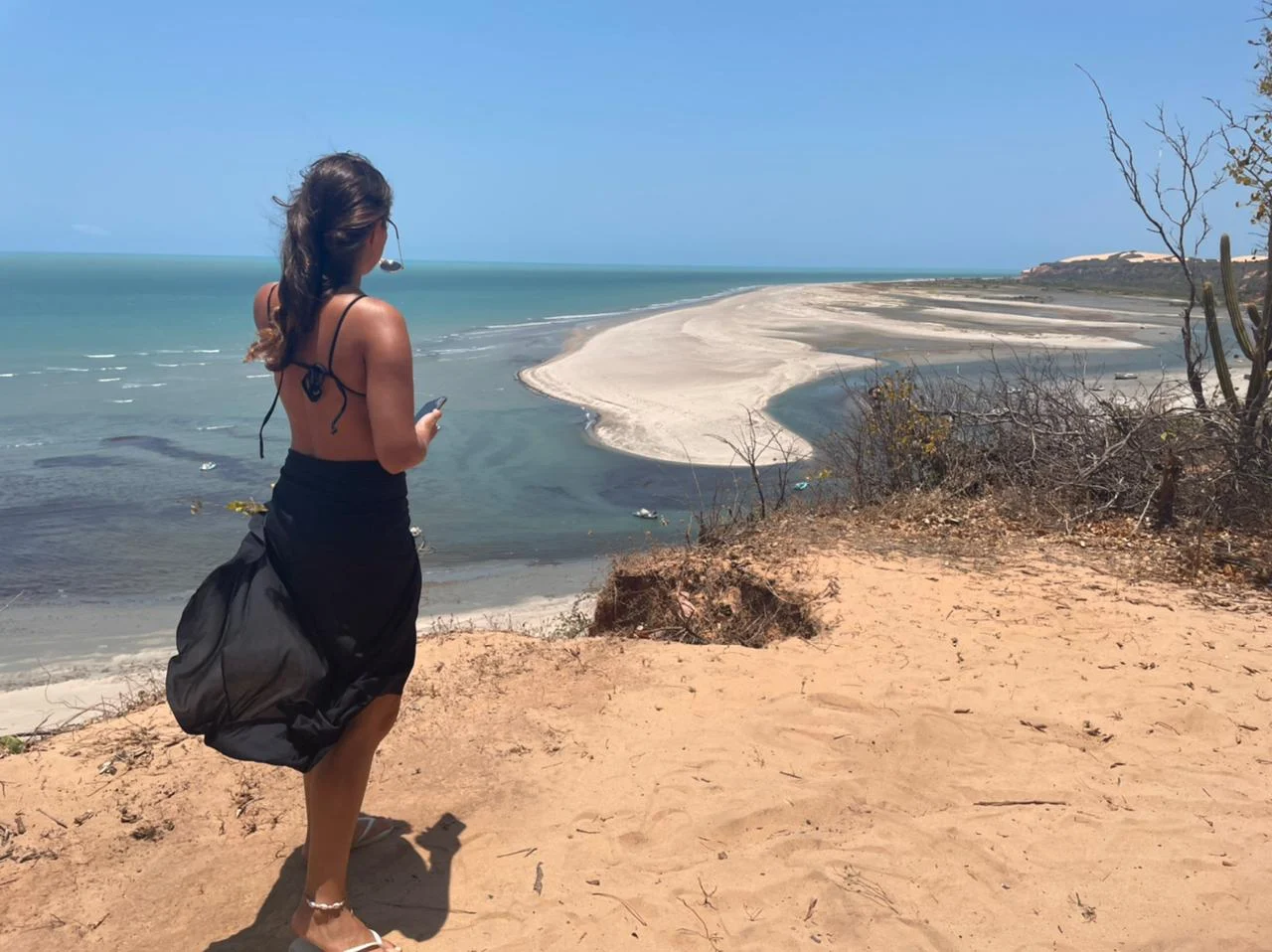
I also spent approximately nine months travelling around Brazil, spending much of that time exploring the Northeast. I normally stayed for at least one or two weeks in each place, which gave me more time to understand the destination instead of only visiting its main attractions.
Within the Northeast, I travelled mostly by BlaBlaCar and bus. These options worked well when I was moving between nearby cities or neighbouring states. When I needed to leave the Northeast and return to the Southeast or South, I usually travelled by plane.
Brazil is divided into five main regions: North, Northeast, Central-West, Southeast and South. Each one has its own landscapes, weather, food, culture and travel experiences.
The regions I have explored the most are the Northeast, Southeast and South. The main thing I learned is that planning by region is usually more useful than trying to connect every famous destination on your list.
How Many Days Do You Need for a Trip to Brazil?
There is no universal answer because the right pace depends on your interests, budget and how often you are comfortable changing accommodation.
However, this is a useful starting point:
| Time in Brazil | Realistic scope |
|---|---|
| 7 days | One base or a small group of nearby destinations |
| 10 to 14 days | One region with two or three main stops |
| 3 weeks | One region in depth or two regions connected by a flight |
| 1 month | Two regions comfortably, or three at a faster pace |
This table is only a reference. You can travel faster or slower, but it gives you an idea of how much moving around may be involved.
Remember that a two-hour flight does not consume only two hours. You also need to check out, reach the airport, arrive early, collect your bags and travel to your next accommodation.
By the time you settle into the new place, most of the day may be gone.
Brazil Itinerary by Region: What Each Part of the Country Offers
Choosing a region becomes easier when you start with the type of experience you want.
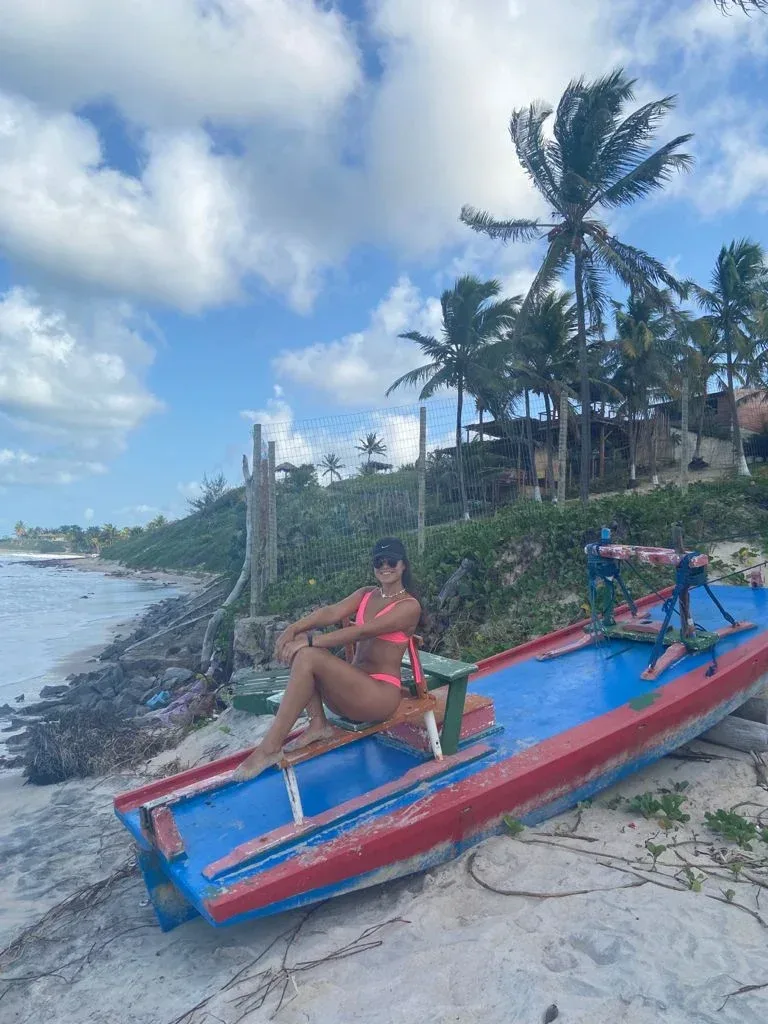
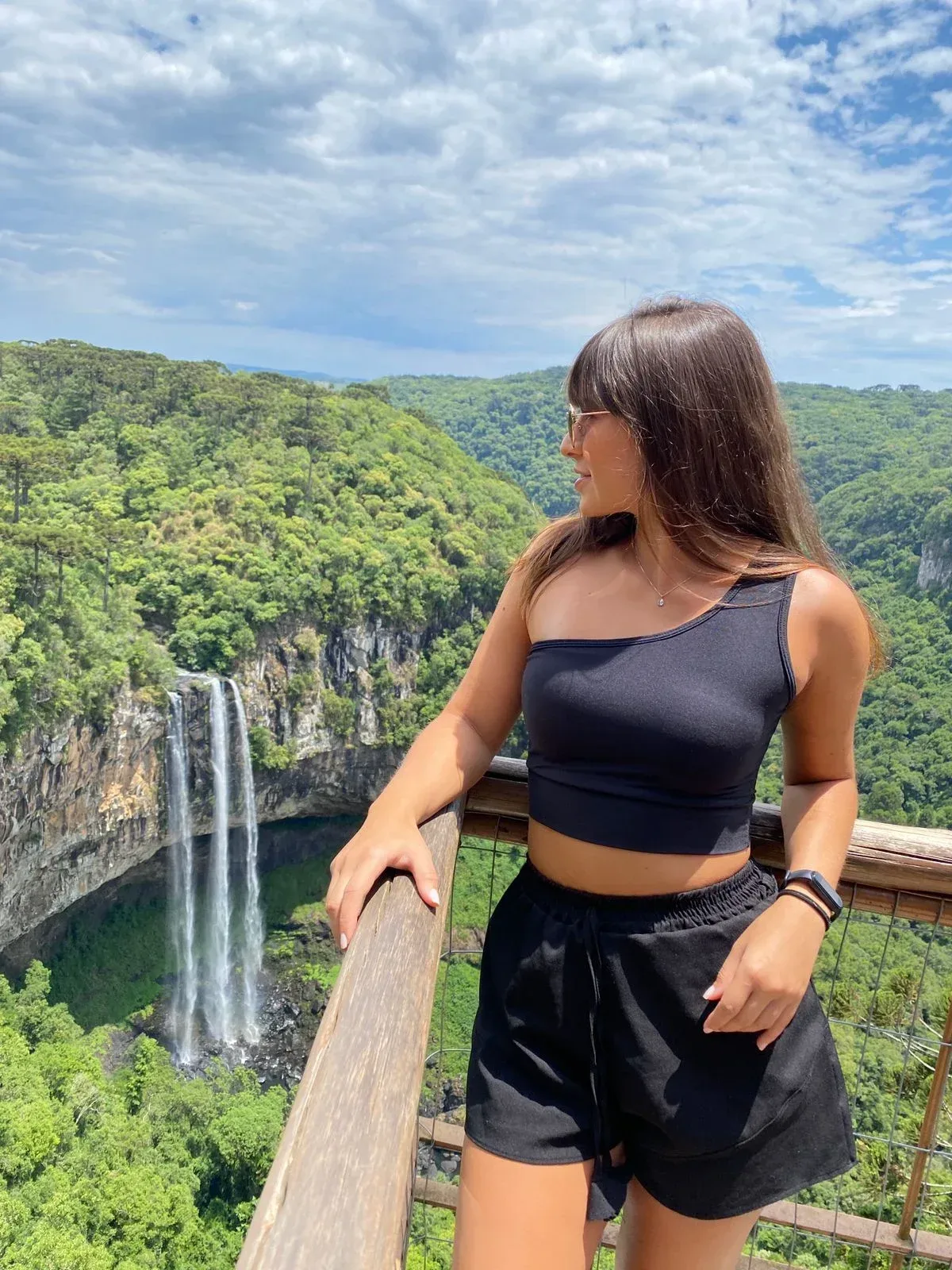

Do you want warm beaches and culture? Large cities and restaurants? Trails and waterfalls? Cooler weather and mountains?
There is no single best region. There is a region that fits your travel style better.
Northeast Brazil: Beaches, Warm Water and Culture
The Northeast would be one of my first recommendations for someone visiting Brazil for the first time.
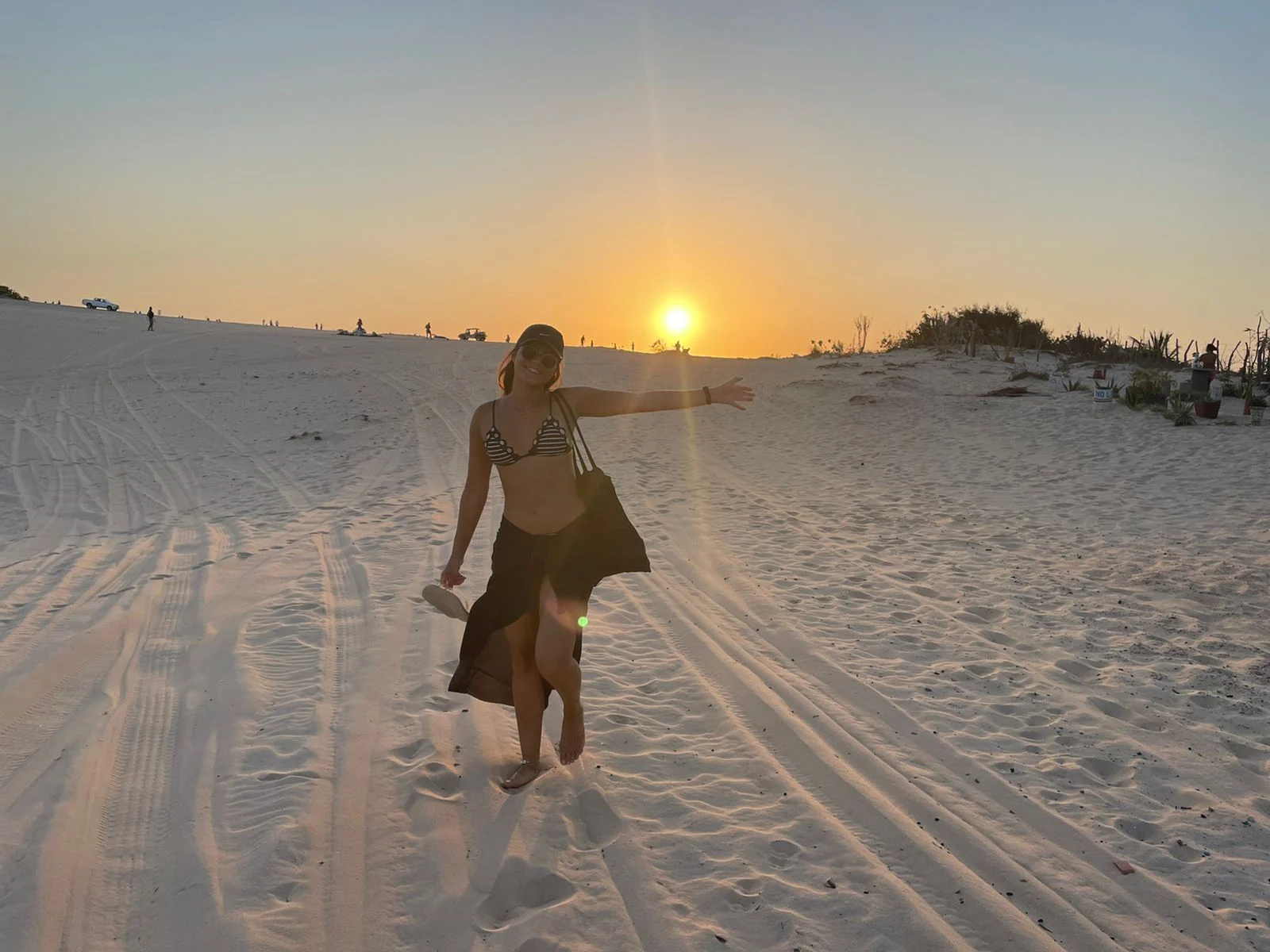
This was the main region during my long trip around the country, and it includes some of my favourite places in Brazil. You can find incredible beaches, warm water, strong regional culture and people who are usually very welcoming.
Another major advantage is the cost. In my experience, accommodation, food and daily travel expenses in many Northeastern destinations were generally more manageable than in places such as Rio de Janeiro or São Paulo.
Prices still vary depending on the city, season and type of accommodation, but the Northeast can offer a very good travel experience without requiring the same budget as Brazil’s most expensive tourist areas.
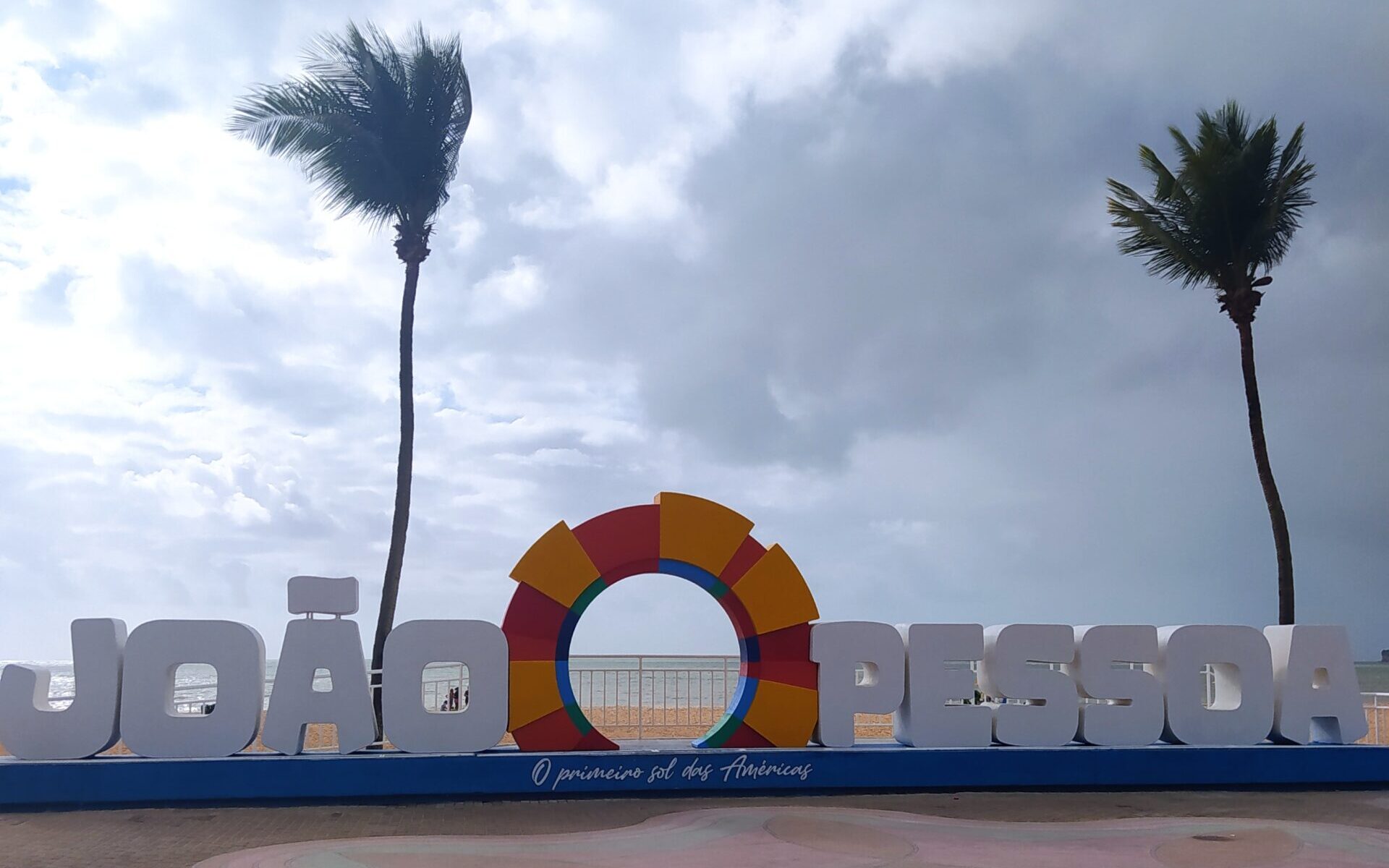
João Pessoa would be one of my preferred starting points. It has beautiful beaches, a relaxed atmosphere and enough infrastructure to make the trip comfortable.
It can also work as part of a broader route. Depending on your time, you could combine João Pessoa with Pipa, Recife or Olinda.
Another possible route is Maceió, Maragogi and João Pessoa. These destinations follow a relatively logical coastal direction and offer different beach experiences without requiring a flight across the country.
Salvador is another strong choice. It is one of my favourite cities in Brazil, especially the area around Farol da Barra. The beach is famous, but I genuinely enjoy it.
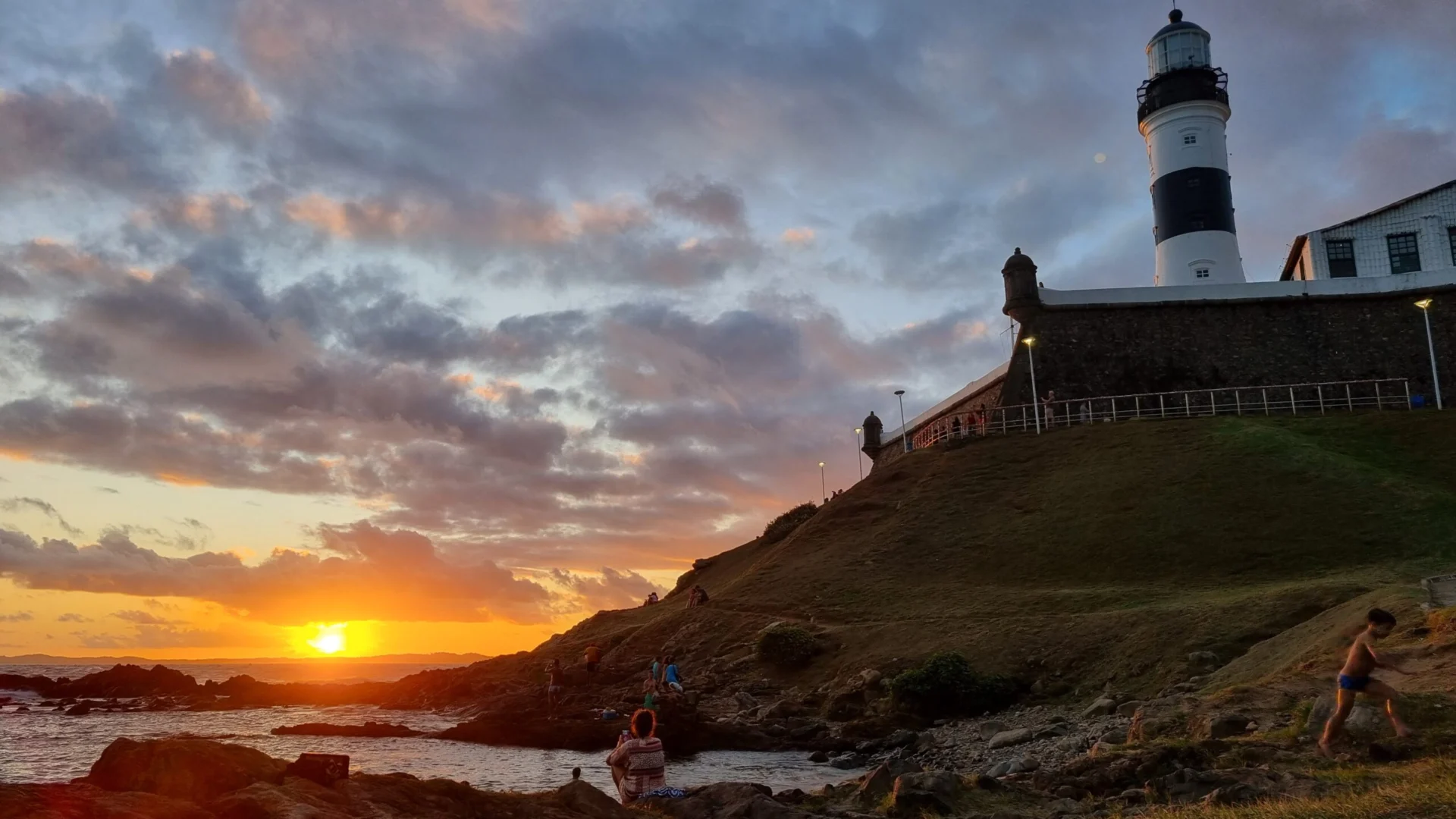
Salvador combines history, culture, food, music and the coast in a way that feels very different from other Brazilian cities.
However, Bahia should not be treated as a quick stop.
It is one of Brazil’s largest states and includes destinations such as Salvador, Morro de São Paulo, Itacaré, Arraial d’Ajuda, Trancoso and Caraíva. Travelling between them requires more time than many visitors expect.
For that reason, I would plan Bahia as a complete trip rather than adding several destinations in the state to a route that already includes other regions.
For beach and culture, my first choices would be a João Pessoa-focused route or a dedicated Bahia itinerary.
Southeast Brazil: Cities, Beaches and Variety
The Southeast is one of the easiest regions to recommend to travellers who want variety.
São Paulo is often presented only as a large business city, but I think it can offer a broader introduction to Brazil. The capital has restaurants, cafés, museums, nightlife, public transport and people from every part of the country.


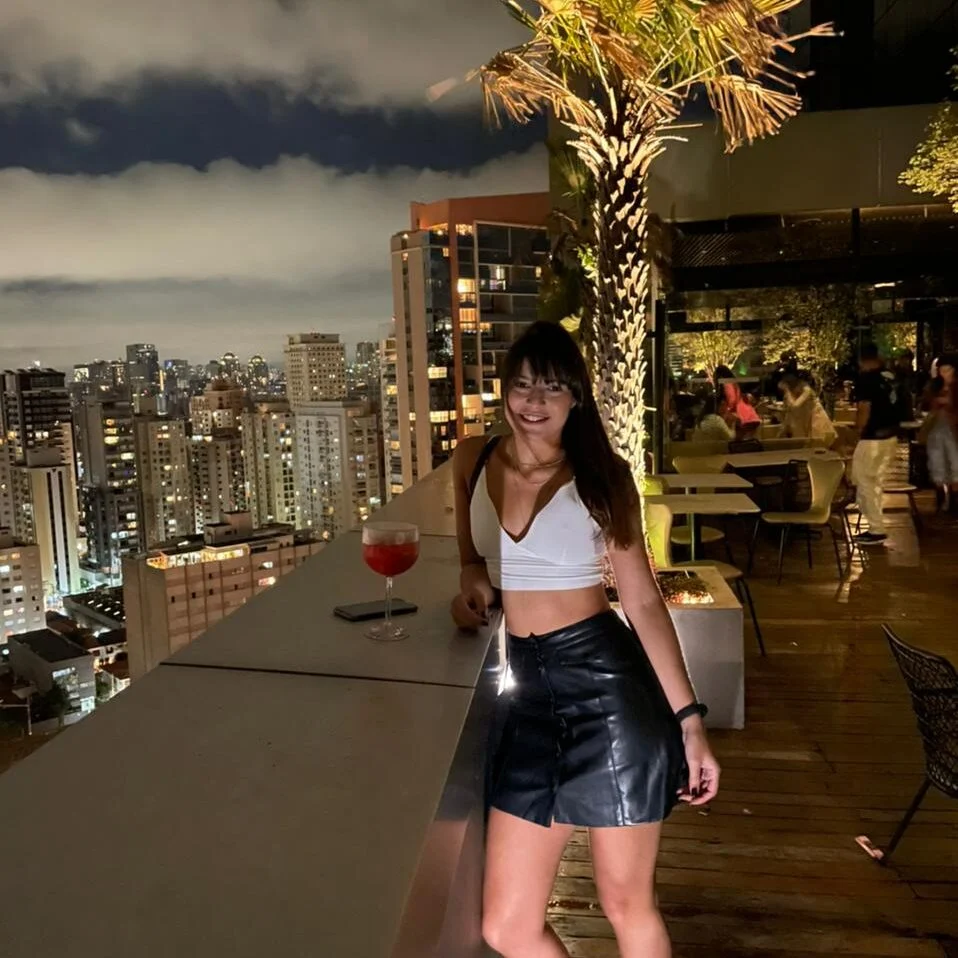
Because São Paulo attracts people from across Brazil, you can experience food and cultural influences from several regions without leaving the city.
However, prices in São Paulo are generally higher than in many destinations in the Northeast. Accommodation, restaurants and nightlife can become expensive, particularly in the most central or popular areas.
The city can also feel intense. Public transport is extensive and useful, but trains and metro stations can become very crowded. If you dislike large cities or busy places, São Paulo may work better as a short stop before continuing elsewhere.
The state offers much more than the capital.
You can combine São Paulo city with coastal destinations such as Ubatuba, Maresias and others. Travellers who prefer the countryside or mountains could consider a place such as Campos do Jordão.
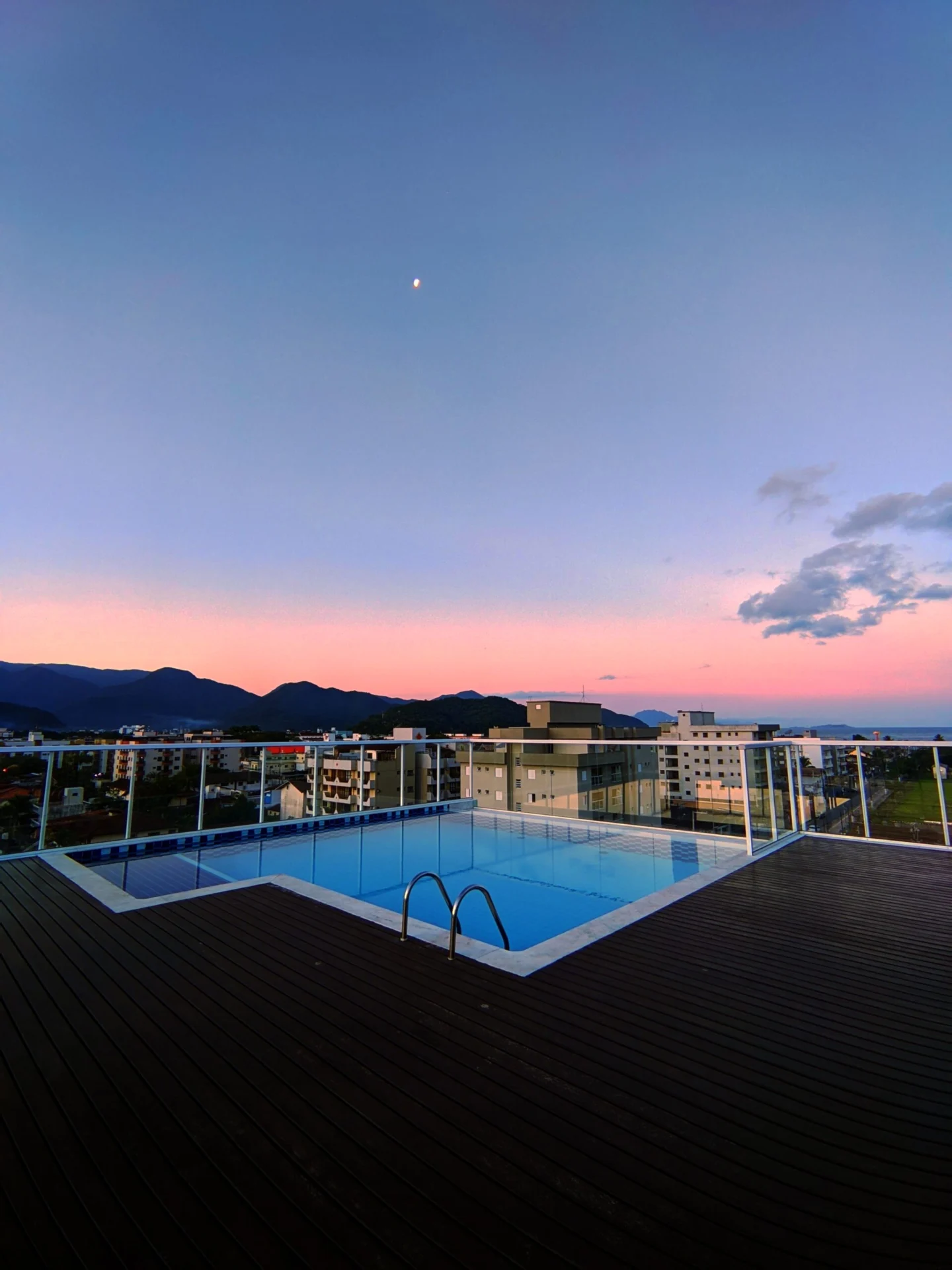
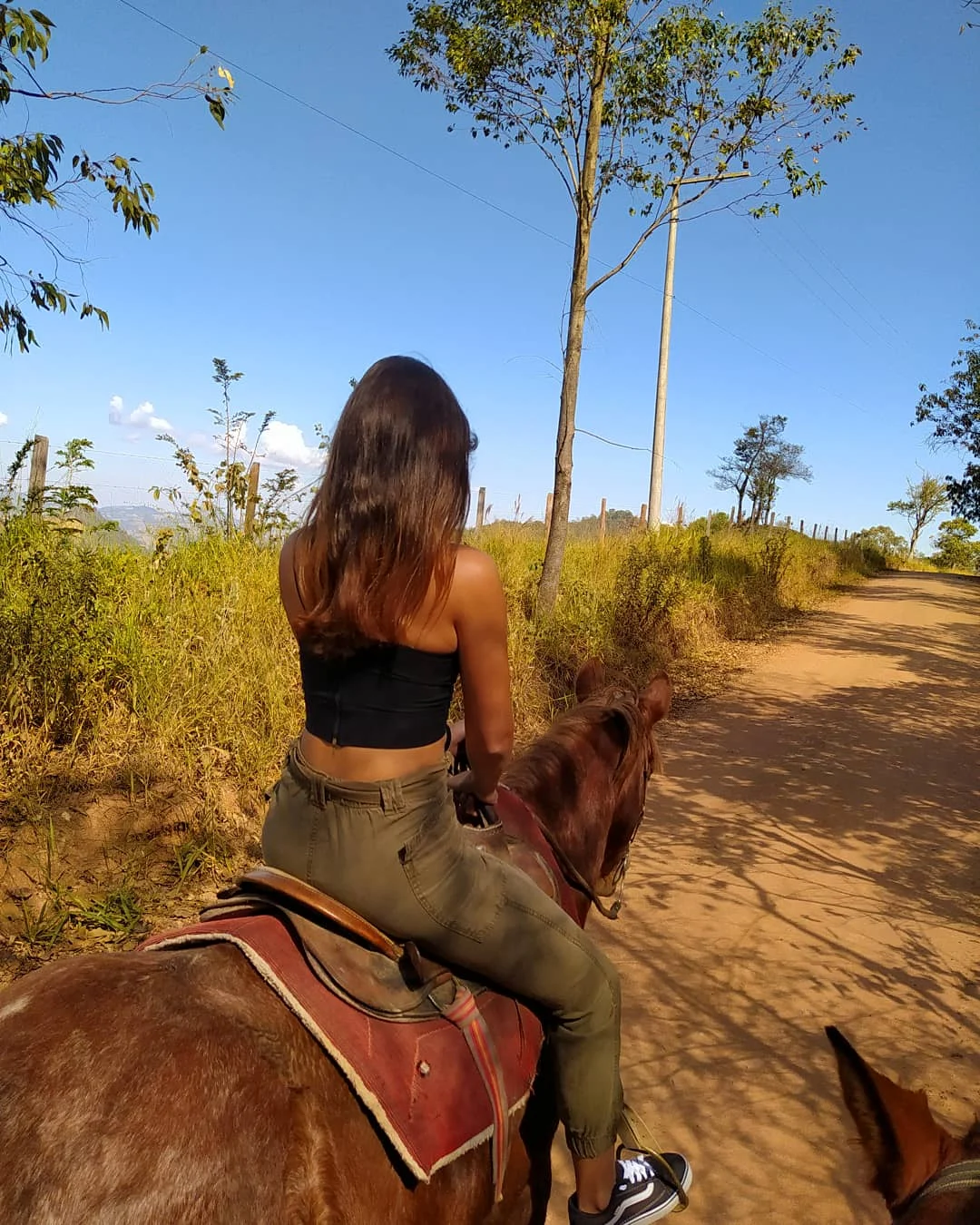

This makes São Paulo a good option for someone who wants an urban experience followed by beaches, countryside or mountains without changing regions.
Rio de Janeiro offers another type of combination. I have lived in Copacabana, and I genuinely like Rio, but I would not automatically recommend it as the first place every international visitor should see.
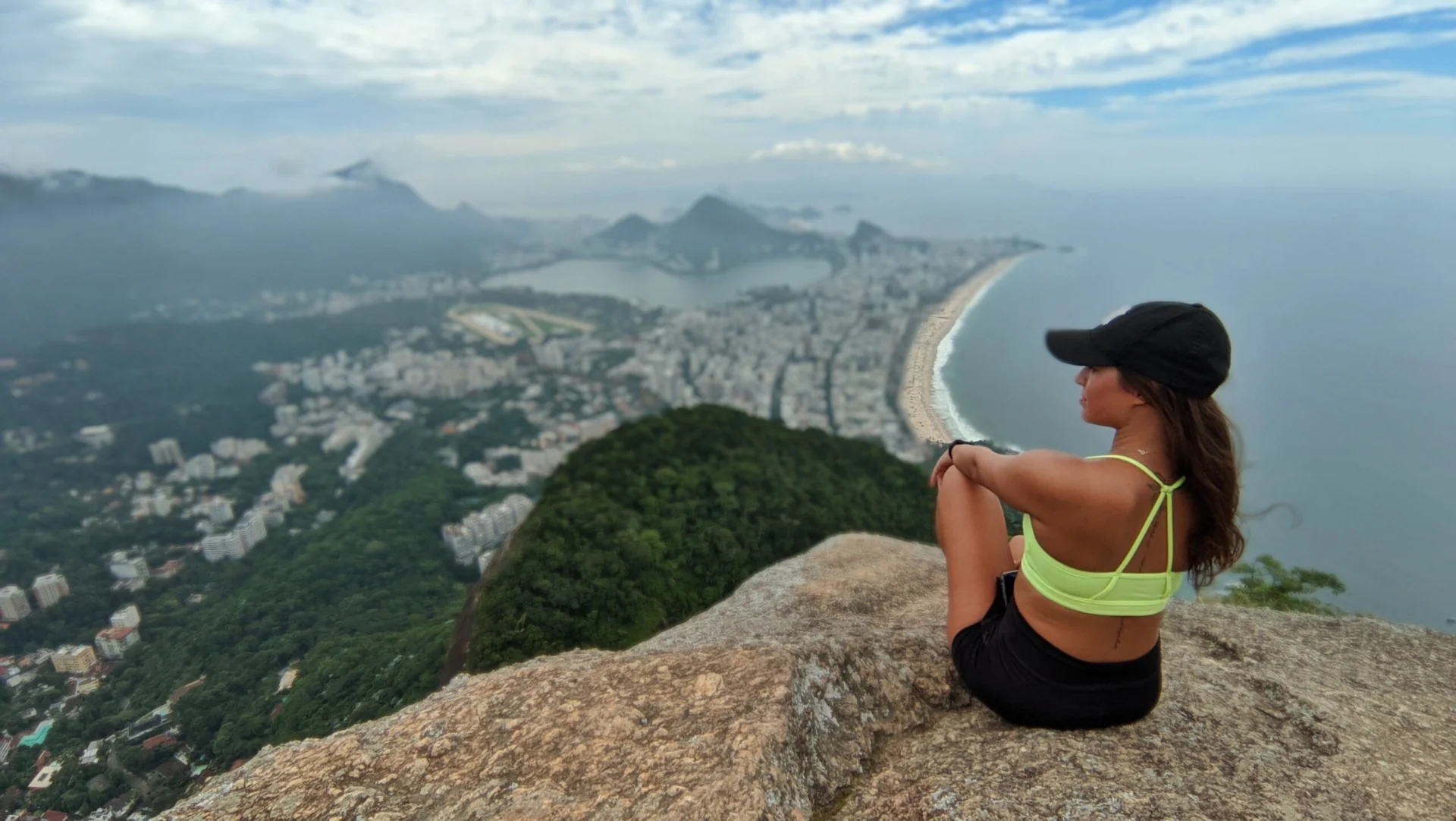
The main tourist areas can be expensive, particularly for foreigners. I do not love the idea of someone experiencing only this version of Brazil and assuming that it represents the entire country.
However, if money is not a major concern and visiting Rio is something you really want to do, I am sure you will not regret it. Rio is still an incredible city, and it is famous for a reason.
The combination of beaches, mountains, views, neighbourhoods and city life is difficult to find anywhere else.
The state of Rio de Janeiro also includes destinations such as Ilha Grande, Arraial do Cabo, Saquarema and Paraty. Near Paraty, you can also visit Trindade, which offers beaches and a smaller coastal atmosphere.

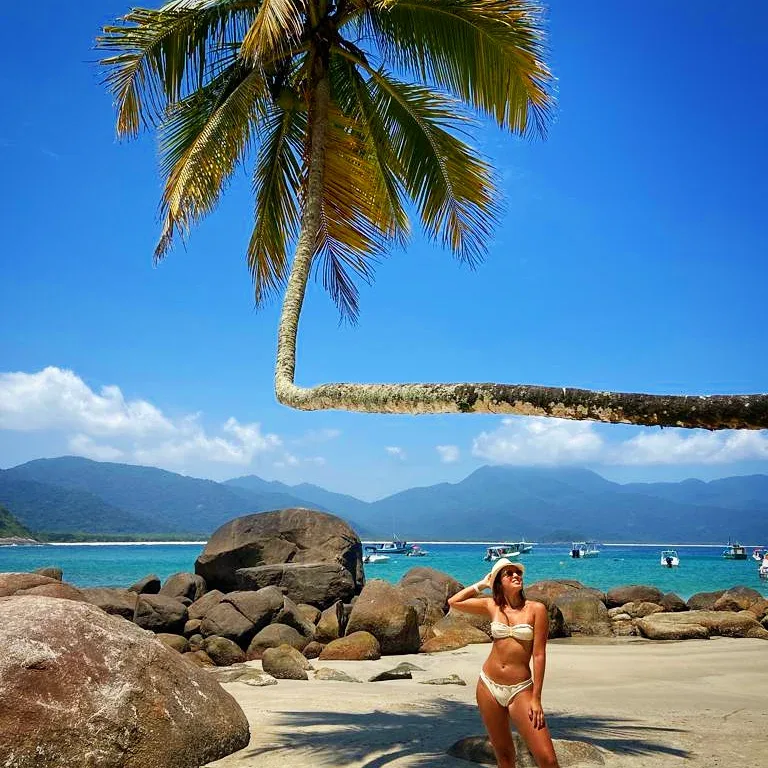
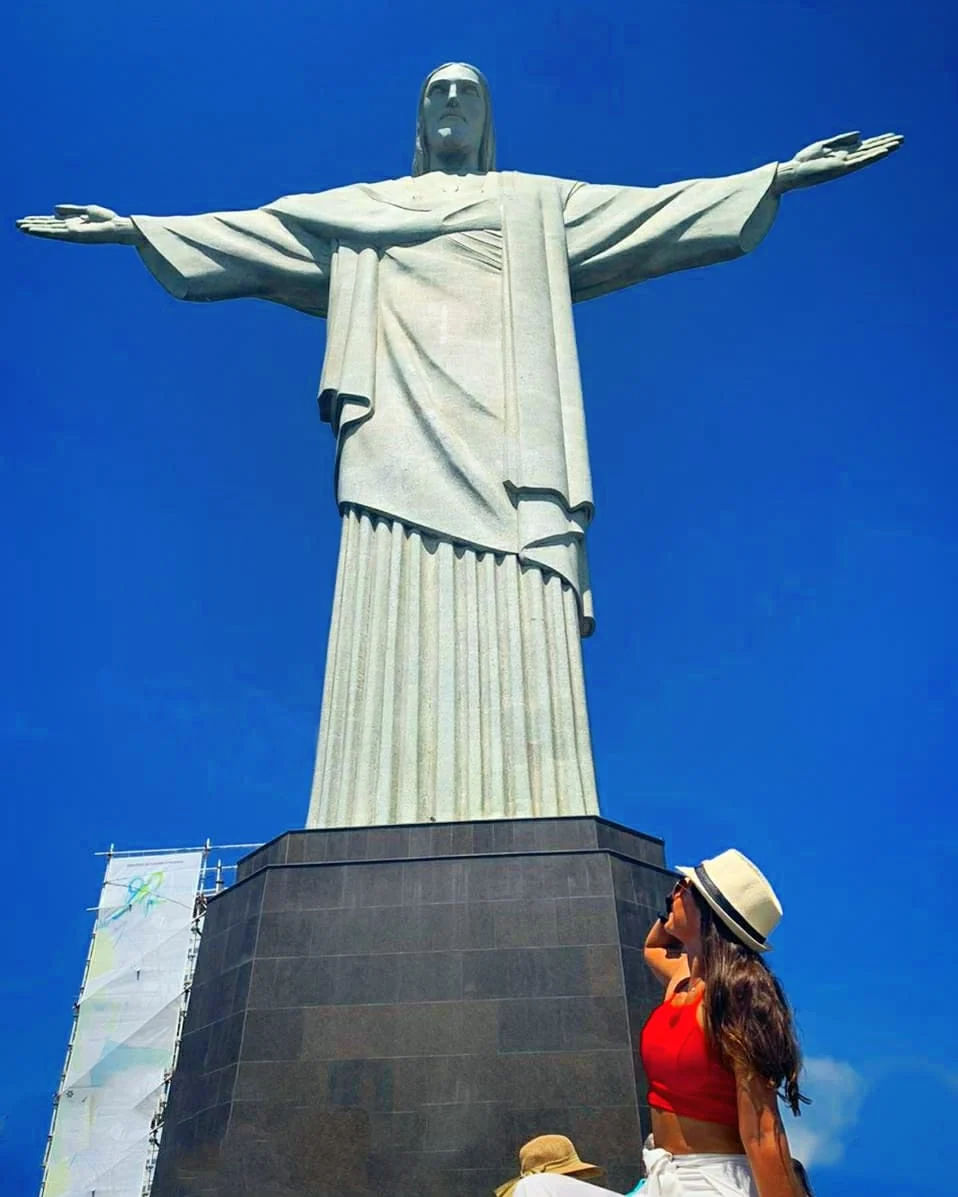
These places provide different ways to experience the state, but they still require proper transfer time. They should not be treated as if they were neighbourhoods that can all be visited effortlessly from Rio city.
Minas Gerais adds another side to the Southeast. The state is known for historic towns, mountain landscapes and, in my opinion, some of the best food in Brazil.
South Brazil: Beaches, Mountains and Cooler Weather
The South offers beaches, mountains, cooler weather and a cultural atmosphere that can feel very different from the tropical image many visitors have of Brazil.
Florianópolis, a city in the state of Santa Catarina, is probably the region’s best-known coastal destination. It has many beautiful beaches and is worth visiting, but transport was one of my biggest frustrations there.
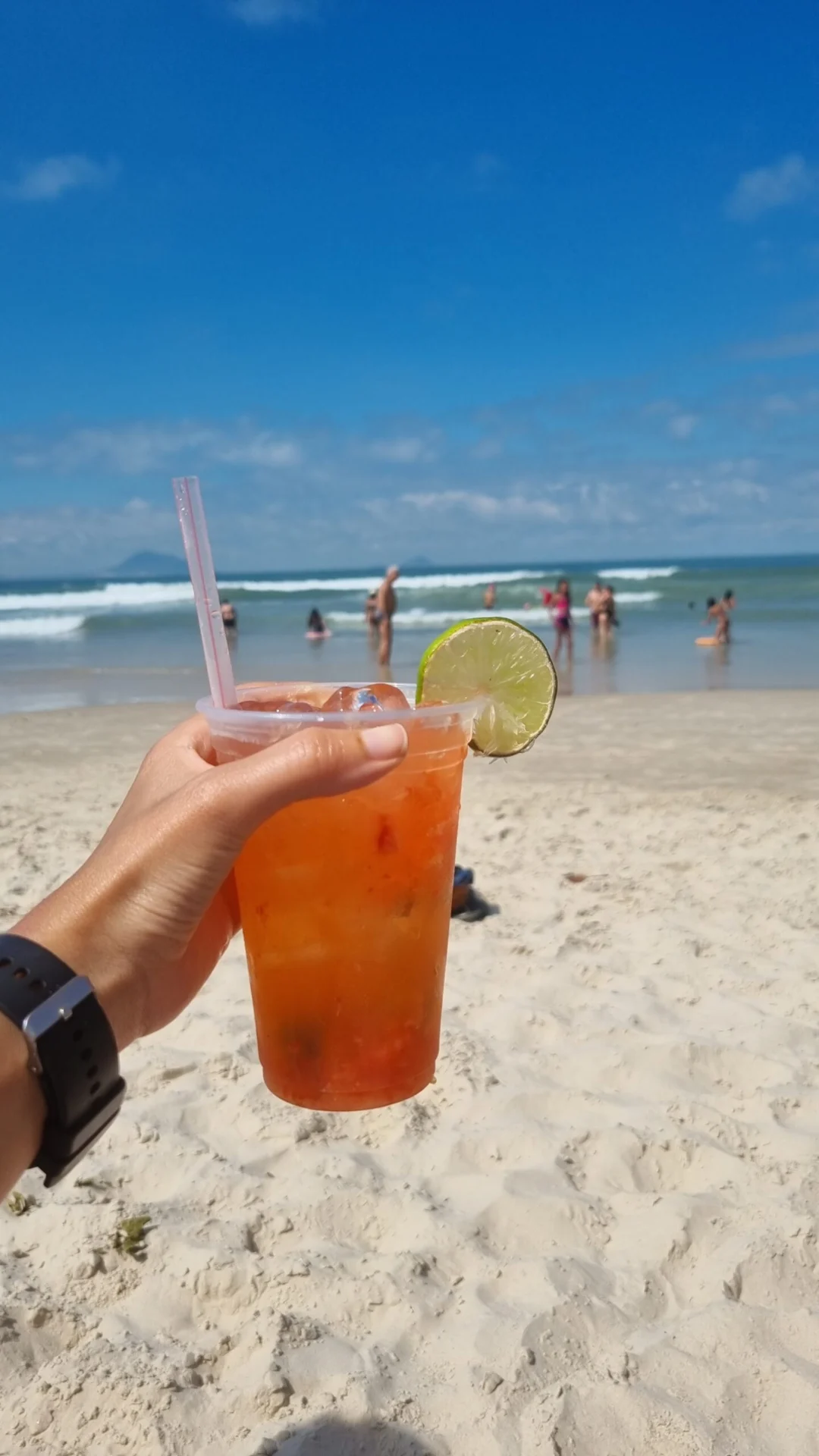
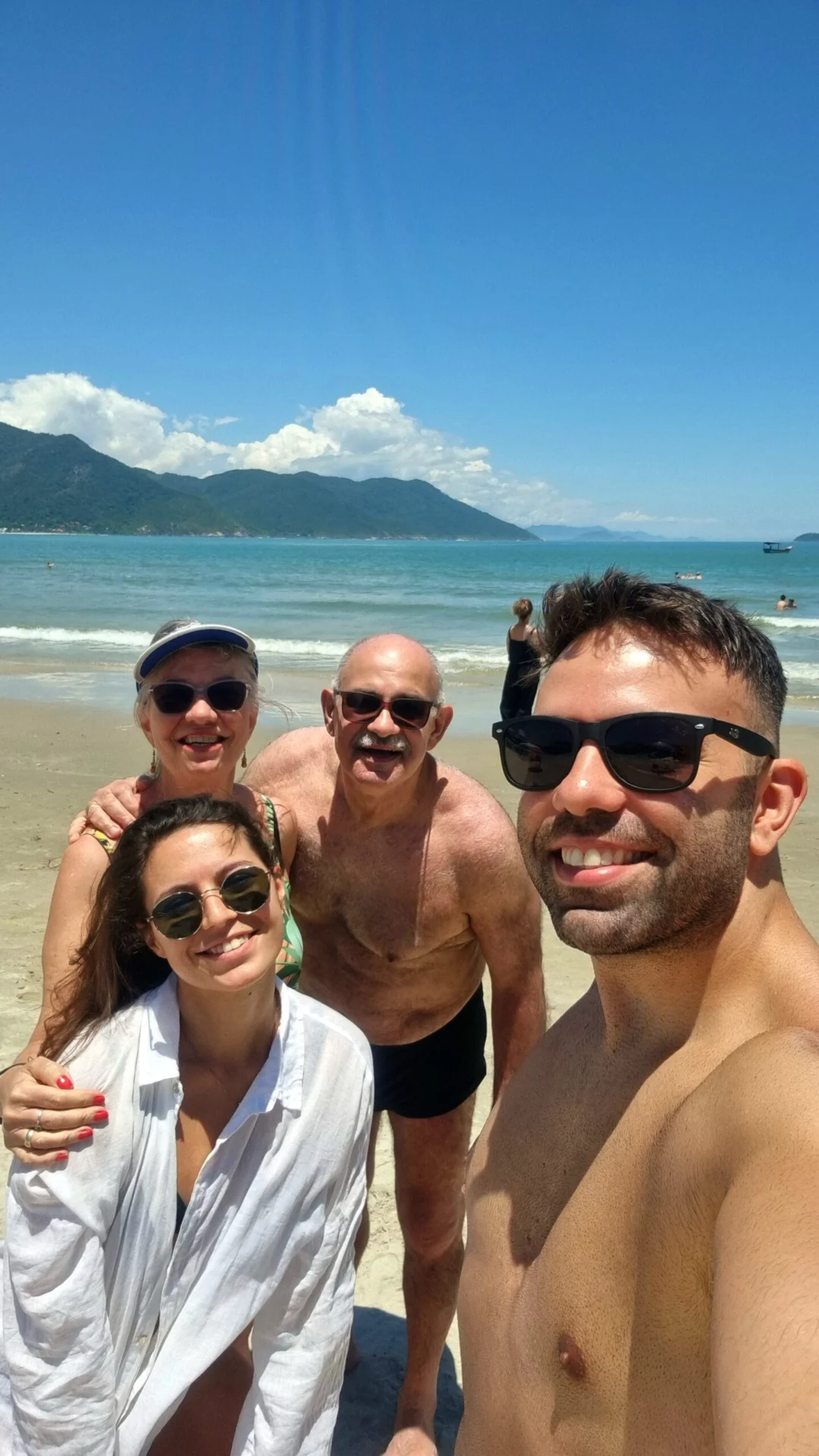
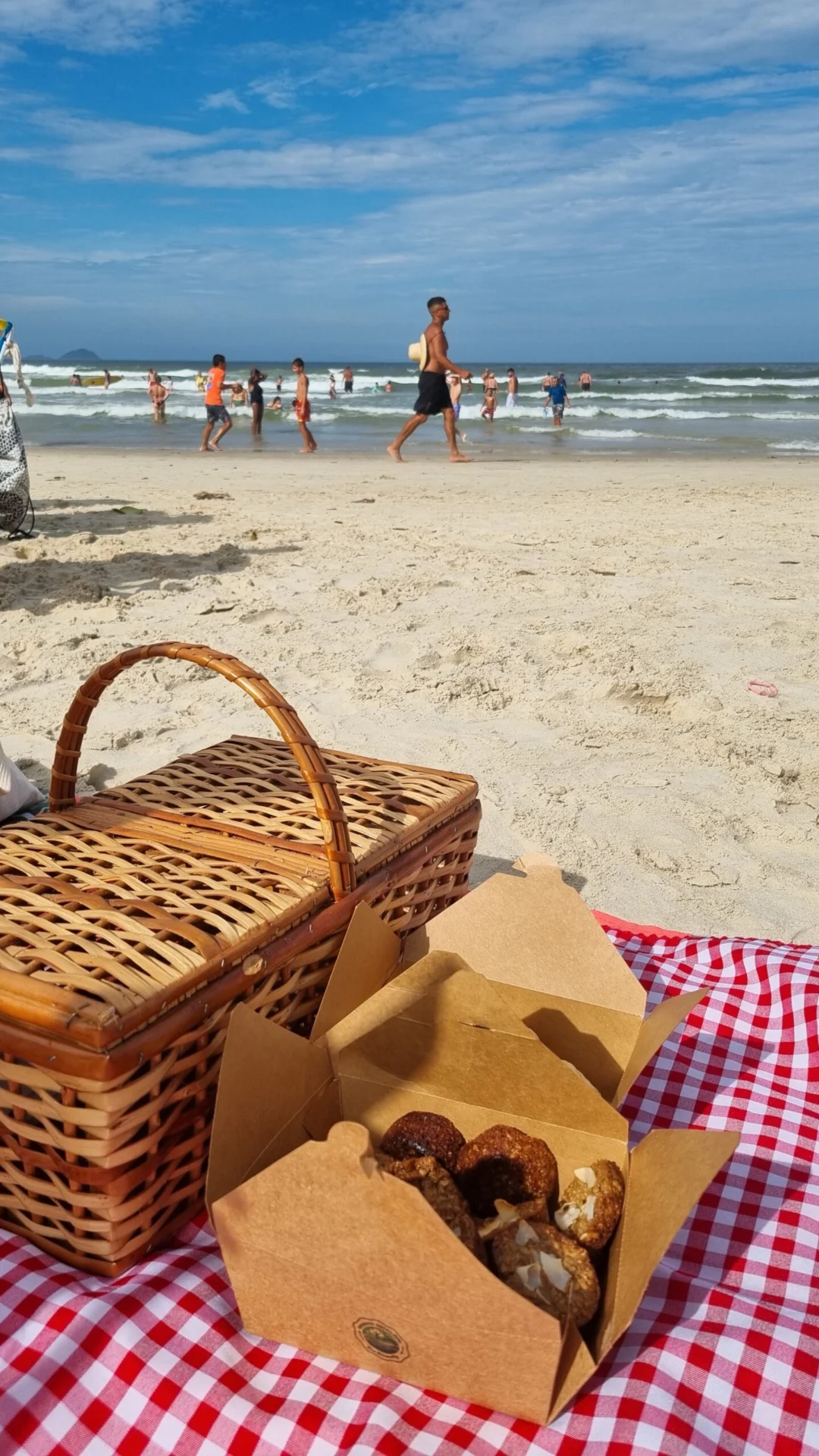
The island is larger than many visitors expect. Depending on where you stay, relying only on buses and Uber can make it difficult to explore different beaches.
In some parts of the island, getting an Uber was not always easy during my stay. Travelling without a car or motorbike can work, but you need to choose your accommodation carefully.
Instead of booking anywhere in Florianópolis, decide which beaches and activities interest you first. Then choose an area that reduces the number of long journeys across the island.
Porto Alegre, the capital of the state of Rio Grande do Sul, offers a more urban and bohemian experience.
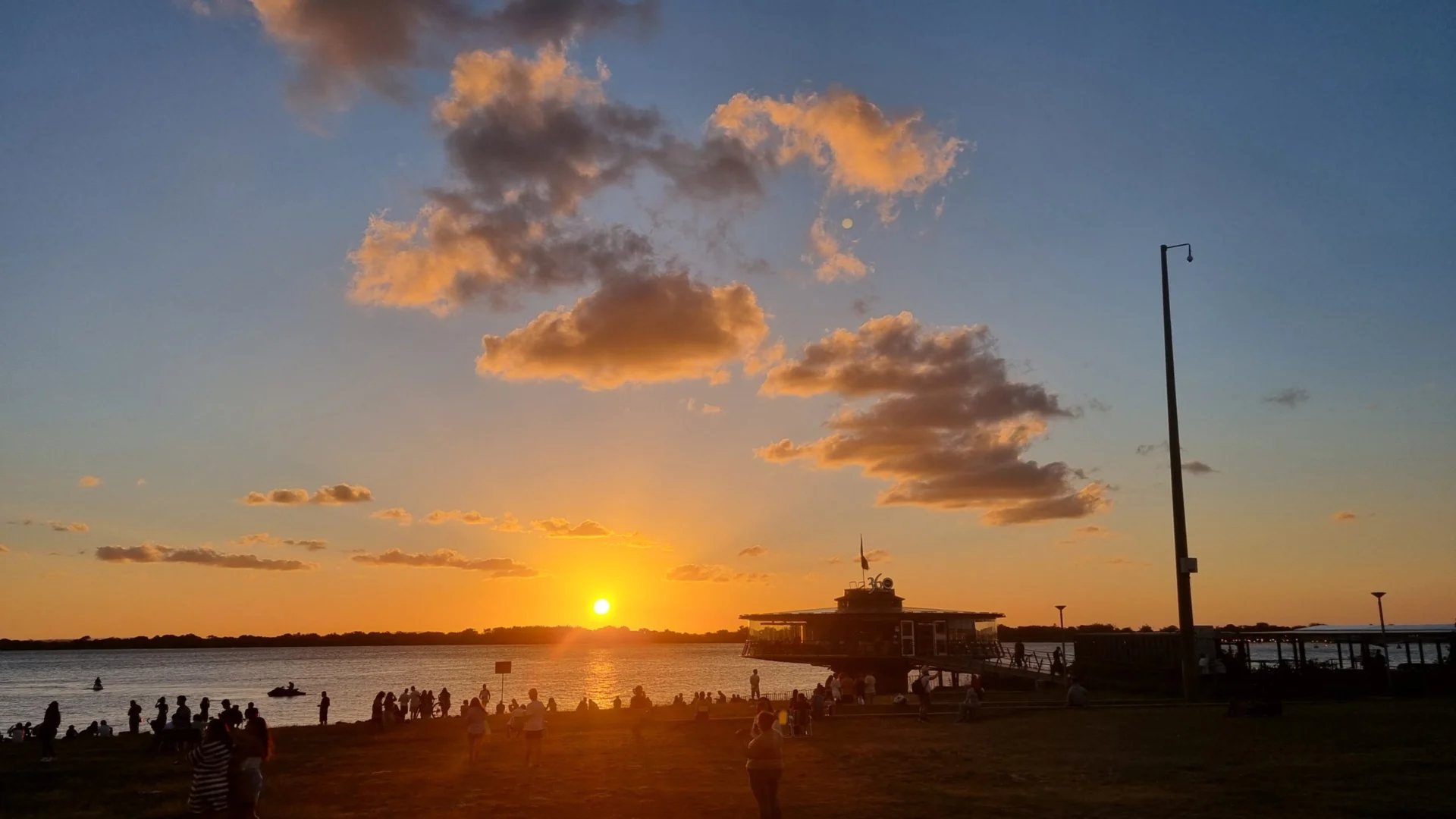
I remember the city for its bars, barbecue culture and strong gaúcho identity. German and Italian influences are also visible in several parts of Southern Brazil, particularly in the food, architecture and traditions of smaller towns.
The South may be a good fit for travellers who want a combination of beaches, mountains, food and cooler weather.
Central-West Brazil: Trails, Waterfalls and Outdoor Trips
My main personal experience in the Central-West was Chapada dos Veadeiros, in the state of Goiás.


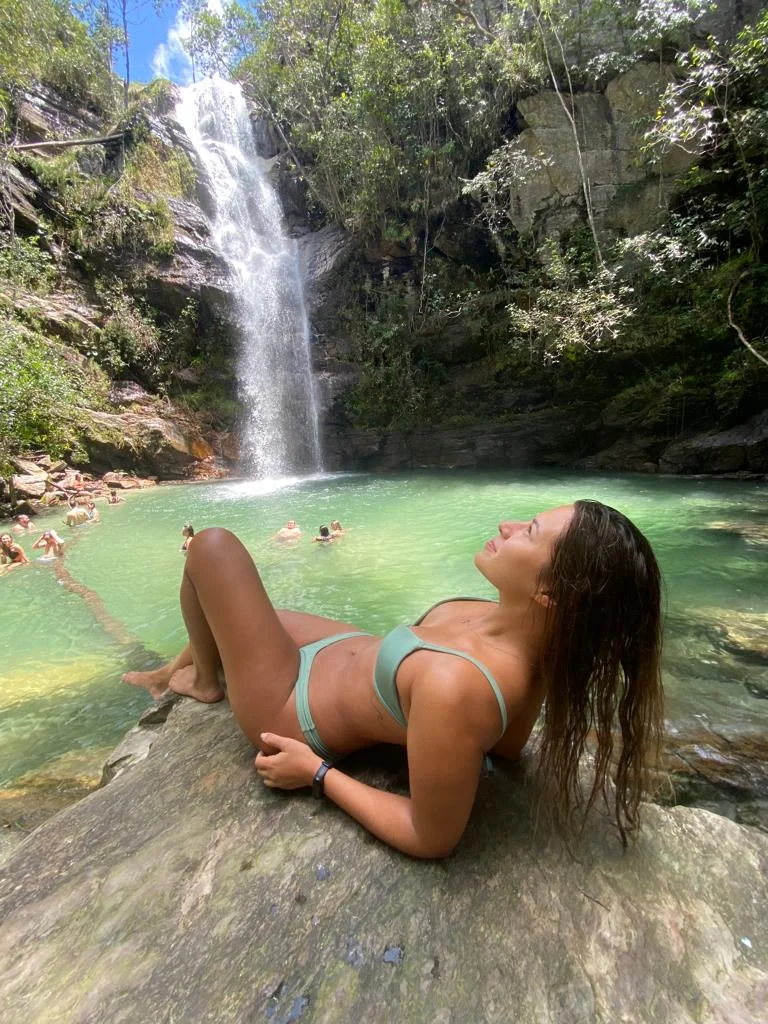
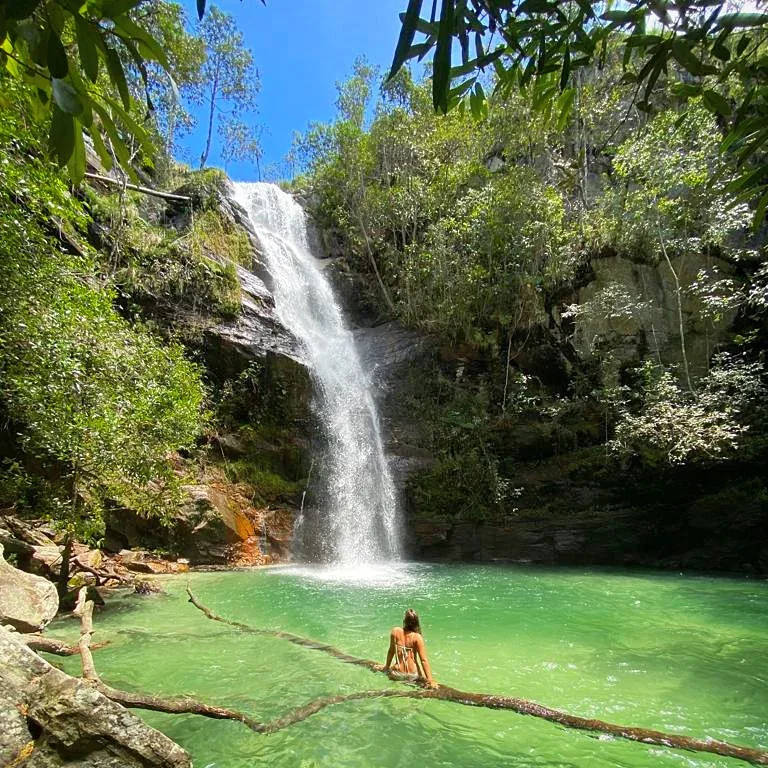
It was one of the most impressive nature destinations I visited in Brazil. The region is known for trails, rock formations, waterfalls and the landscapes of the Cerrado.
A trip to Chapada dos Veadeiros works better when you dedicate proper time to it and plan transport, accommodation and outdoor activities in advance.
The Central-West also includes Brasília and the Pantanal, but they offer very different experiences. Being part of the same official region does not necessarily mean they are easy to combine in one short route.
North Brazil: The Amazon Is Still on My List
The Amazon is one of the places in Brazil that I still really want to visit.
I know people who have travelled there and described the experience as incredible. Some of them even took a cruise through the region, which sounds like a completely different way to experience the rivers, rainforest and local communities.
It is a trip that I believe is absolutely worth considering, especially for anyone interested in nature and experiences that cannot be found in other parts of the country.
The North can offer much more than the image most visitors have of Brazil, and it is definitely a region I want to explore properly in the future.
How to Build a Realistic Travel Route Through Brazil
A good route becomes easier to plan when you make decisions in the correct order.
Start with the number of complete days you will have in Brazil. Do not treat your arrival and departure days as full sightseeing days.
Next, decide what you want from the trip. Beaches, food, large cities, nature, nightlife and wildlife can all lead to completely different routes.
Then choose one priority region.
Only after choosing the region should you select the individual destinations.
This is the process I would follow:
- Define the total number of complete travel days.
- Choose the main type of experience you want.
- Select one priority region.
- Choose the most practical arrival city.
- Add destinations that follow a logical geographical direction.
- Check the complete transport time between every stop.
- Research the weather for those specific places.
- Add another region only when the connection and available time justify it.
This order prevents you from creating a dream list that later turns into a schedule dominated by airports and hotel check-ins.
It is also worth reading my guide to [things to know before visiting Brazil](INSERT INTERNAL LINK) before booking your route, especially if this will be your first time in the country.
Realistic Routes for Different Regions of Brazil
The following suggestions are route structures rather than detailed day-by-day itineraries.
The number of destinations you include should depend on the amount of time you have.
A Northeast Coast Route
For approximately ten to fourteen days, you could consider one of these combinations:
- João Pessoa, Pipa and Recife or Olinda
- Maceió, Maragogi and João Pessoa
- Salvador, Morro de São Paulo and Itacaré
I would not combine all three routes in the same trip.
Each option already provides enough variety for a first visit. You can experience beaches, cities, food and culture without crossing the entire country.
The Bahia option needs particular attention because transfers can take longer than expected. Bahia works better as the main focus of the trip rather than one small section of a much larger itinerary.
São Paulo and the Coast
A varied Southeast itinerary could begin with a few days in São Paulo city and continue to the coast.
You could choose places such as Ubatuba, Maresias or Ilhabela, depending on the type of beach experience you want.
This gives you a large city experience followed by beaches and smaller coastal towns without requiring a cross-country flight.
You could also replace the coast with Campos do Jordão if you prefer mountains and a cooler atmosphere.
Rio de Janeiro Beyond the Capital
A Rio de Janeiro itinerary could include the capital and one additional coastal area, such as Ilha Grande, Arraial do Cabo, Saquarema or Paraty.
If you choose Paraty, you could also include nearby Trindade.
The main mistake would be trying to include several coastal destinations while allowing only two or three days for the capital.
Every accommodation change creates another transfer. Unless you have enough time to travel slowly, I would choose Rio city plus one complementary destination.
A Southern Brazil Route
For a first trip to the South, I would make Florianópolis, in Santa Catarina, the main destination rather than trying to cover the entire region.
Choose one well-positioned area of the island and explore from there.
Before reserving accommodation, check the real distance to the beaches and activities you want to visit. A place described as being in Florianópolis may still be far from the part of the island that interests you.
A Nature-Focused Route
For nature, I would rather dedicate proper time to one destination such as Chapada dos Veadeiros than combine the Chapada, Pantanal and Amazon in a short trip.
They may all fit into a general category of nature travel, but they are completely different experiences in distant parts of Brazil.
A shared theme does not make destinations geographically convenient.
When to Fly and When to Travel Overland in Brazil
Overland transport can work well when you are travelling within one state, between neighbouring states or along a continuous coastal route.
During my long trip through the Northeast, I used BlaBlaCar more often than buses. Sometimes I found a driver through the platform. In other situations, I met people going in the same direction and shared a car or transport costs.
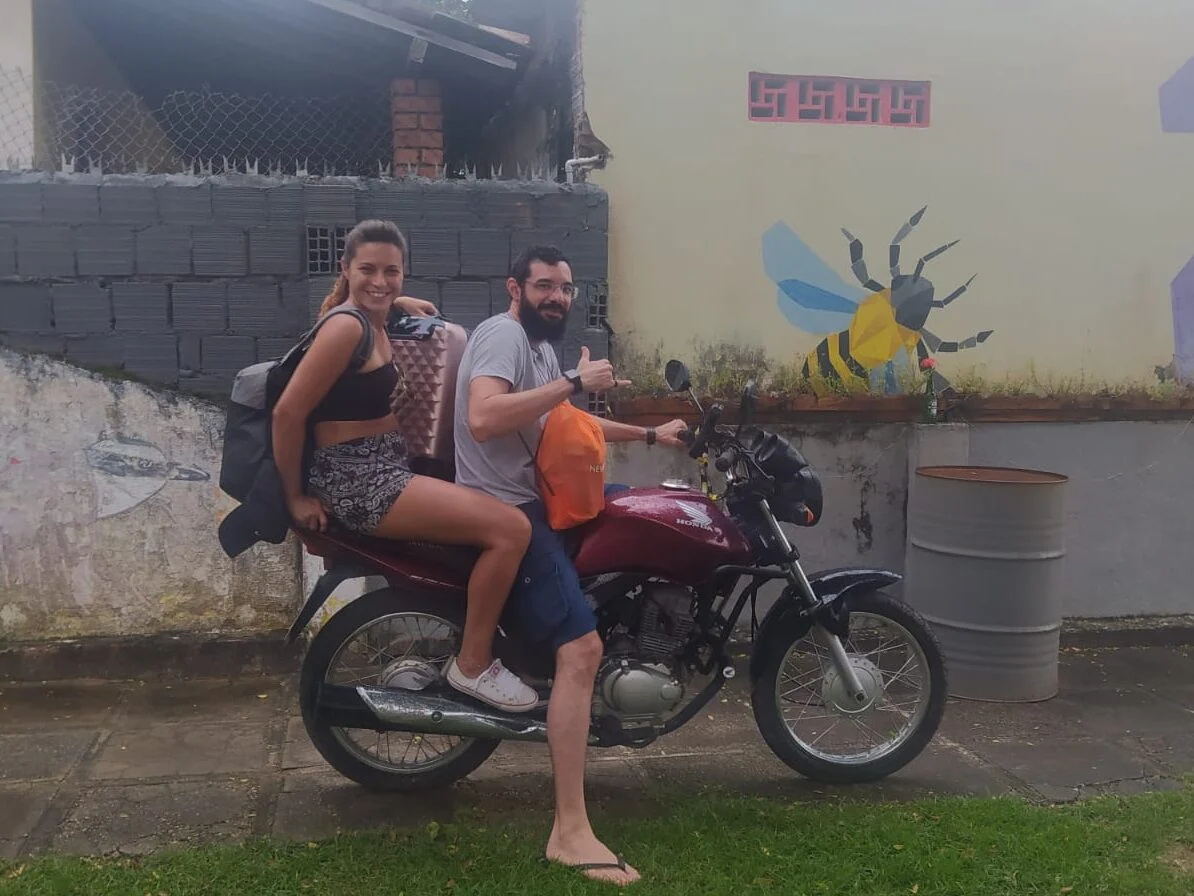
This worked partly because I had a flexible schedule. I could change the day or time of the journey when necessary.
A short trip with hotels and activities already booked may require a more predictable form of transport.
Buses can be useful between cities with regular routes. However, a journey that looks short on the map may involve many hours on the road.
Flights usually make more sense when changing regions. Even then, check whether the route is direct. A cheap flight with a connection can use most of the day.
Compare the complete journey, not only the ticket price:
- Travel time to the airport or bus station
- Check-in and waiting time
- Connections
- Baggage costs
- Transport from the arrival point
- Accommodation check-in and check-out times
- The value of the travel day you will lose
The cheapest ticket is not always the best option when your time is limited.
Which Region of Brazil Should You Visit First?
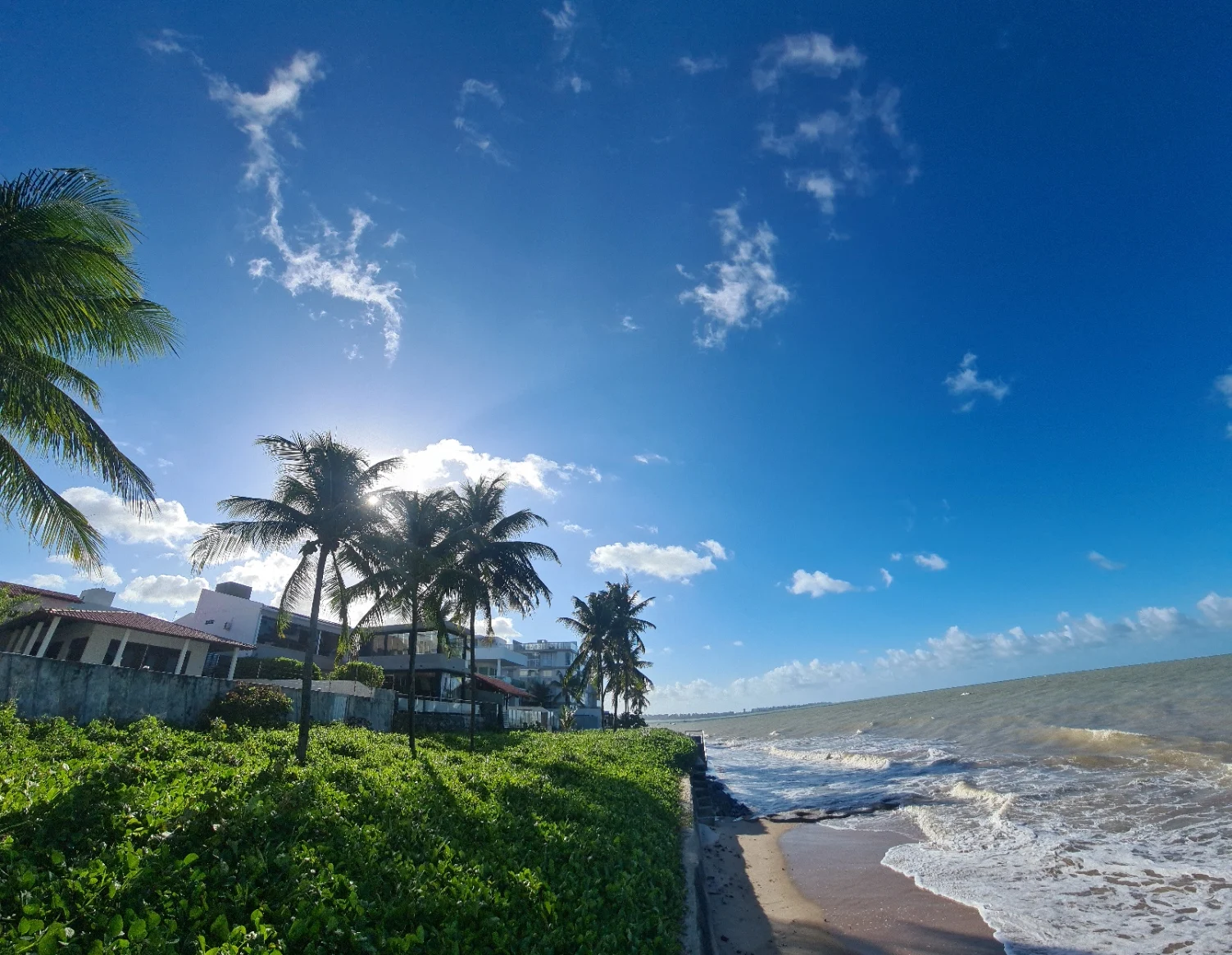
For beaches, warm water, culture and more manageable prices, I would choose the Northeast.
João Pessoa is one of my preferred starting points because it combines infrastructure, beaches and a calmer atmosphere. Salvador and Itacaré are also strong choices, depending on whether you want a large cultural city or a smaller coastal destination.
For large cities and variety, I would choose the Southeast.
São Paulo offers food, museums, nightlife and access to the coast, countryside or mountains. Rio combines an iconic city with beaches and nature, especially when visiting it is already a personal dream.
For beaches, mountains and cooler weather, I would consider the South, particularly Santa Catarina. Transportation should be part of the accommodation decision, especially in Florianópolis.
For trails and waterfalls, Chapada dos Veadeiros is one of my strongest personal recommendations.
For an Amazon experience, I would look at the North and choose the type of experience that interests me most, whether that means a lodge, a river journey or a cruise.
If I had to give one general recommendation for a first trip, I would start with either the Northeast or Southeast. Both can offer enough variety to create a complete trip without crossing several regions.
Brazil Itinerary: How I Would Plan a Realistic Trip Today
A realistic Brazil itinerary starts with your available time, one priority region and destinations that connect logically. I would rather spend ten good days exploring one part of the country than use the same time collecting airports across Brazil. For more travel ideas from a Brazilian perspective, you can find me on Instagram at @damymorellato. My highlights include several destinations around Brazil, and you can also send me a DM if you have any questions while planning your trip.